
The Complete Guide to Different Work Glove Types
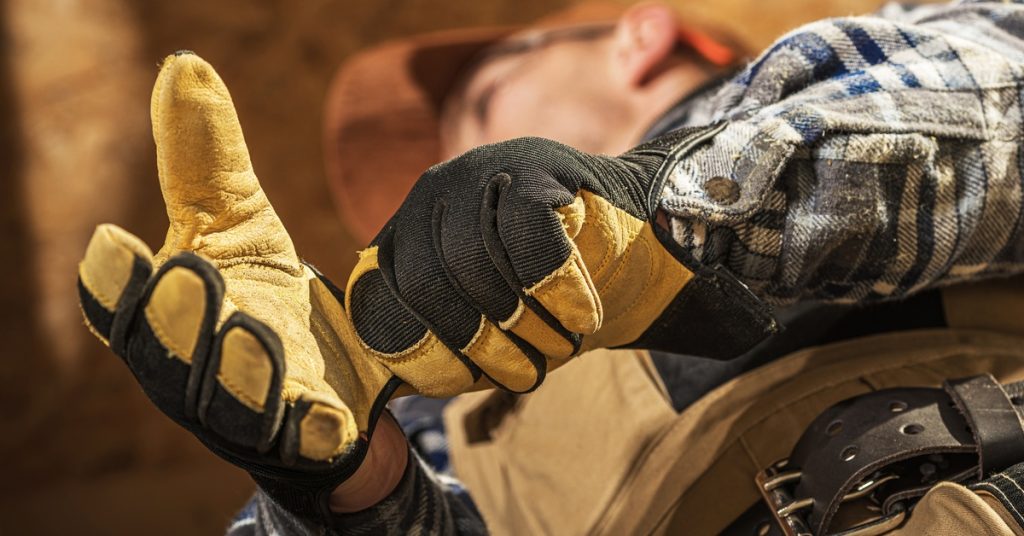
Every pair of hands tells a story. Some look rough from years of gritty construction work, others bear the faint stains of engine grease, while many have felt the sting of a cold winter morning or the burn of a hot tool.
Across industries and job sites, one thing remains true: the right gloves quietly shape the outcome of every shift. Whether you’re shielding yourself from chemicals, sharp edges, or biting temperatures, our complete guide to different work glove types will help you find the perfect option that protects your ability to work, create, and return home safely at the end of the day.
Leather Gloves
Leather gloves remain a staple in many industries due to their natural durability and versatility. Cowhide leather offers excellent abrasion resistance and works well for general construction and handling tasks.
Goatskin provides superior dexterity while maintaining strength, making it ideal for precision work that still requires protection. Deerskin leather delivers exceptional comfort and flexibility, conforming to the hand shape while resisting tears.
These protective gloves excel at shielding hands from heat, sparks, splinters, and rough materials. However, leather provides limited protection against chemicals and liquids, so workers should choose alternative options when handling hazardous substances.
Cut-Resistant Gloves
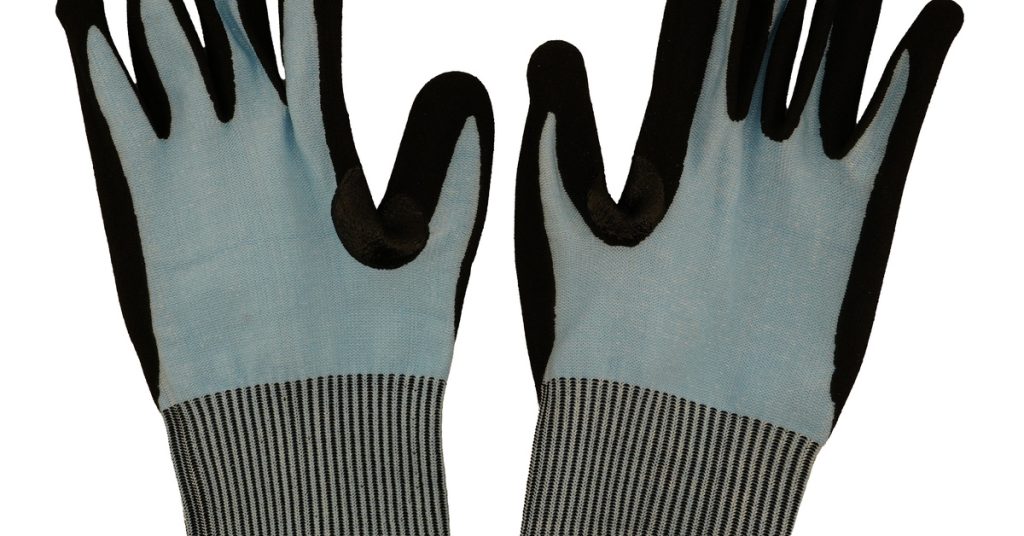
Cut-resistant gloves incorporate advanced materials like Kevlar, high-performance polyethylene (HPPE), or steel mesh to protect against sharp objects. These gloves receive ANSI cut-level ratings from A1 to A9, with higher numbers indicating greater cut resistance. Workers handling glass, metal sheets, or blades benefit from the protection these gloves provide while maintaining the dexterity needed for precise tasks.
The lightweight construction allows for extended wear without fatigue. Industries ranging from food processing to manufacturing rely on cut-resistant gloves to reduce the risk of lacerations. Selecting the appropriate ANSI level ensures workers receive adequate protection for their specific cutting hazards.
Nitrile Gloves
Nitrile gloves provide synthetic rubber protection with chemical resistance properties. These gloves stand up to oils, solvents, greases, and many industrial chemicals that would quickly degrade natural rubber. The material resists punctures better than latex while offering excellent tactile sensitivity for detailed work.
Nitrile maintains its grip even in wet or oily conditions, reducing the risk of dropping tools or materials. Automotive technicians, painters, and chemical handlers frequently choose nitrile for its reliable barrier protection. The synthetic construction eliminates concerns about latex allergies, making nitrile gloves suitable for all workers regardless of sensitivities.
Latex Gloves
Natural rubber latex gloves deliver superior elasticity and comfort for light-duty applications. The material stretches easily and conforms closely to hand contours, providing excellent tactile sensitivity for delicate tasks. Medical professionals, food handlers, and janitorial staff often prefer latex for its combination of protection and dexterity.
These gloves work well for tasks that require a level of hygiene and protection against biological contaminants. The breathable nature of latex reduces hand fatigue during extended wear. However, some individuals develop allergic reactions to natural rubber proteins, requiring them to switch to synthetic alternatives like nitrile or vinyl.
Coated Gloves
Coated gloves combine knitted liners with protective coatings to enhance performance across multiple applications. Manufacturers use base materials like:
- Nylon or polyester for strength and flexibility
- Cotton for breathability and comfort
- Kevlar for cut resistance
They’ll dip these liners in nitrile, latex, or polyurethane coatings. Foam nitrile coatings repel liquids and maintain an excellent grip in wet conditions. Full nitrile dips provide complete waterproof protection for chemical handling.
Polyurethane coatings offer maximum flexibility and precision for assembly work. This combination approach allows workers to benefit from both the liner’s properties and the coating’s specialized protection, creating versatile gloves for diverse industrial environments.
Impact and Vibration Gloves
Impact and vibration gloves feature strategic padding made from thermoplastic rubber (TPR) or thermoplastic elastomer (TPE) across knuckles, fingers, and the back of the hand. This padding absorbs shock from power tools, hammers, and other machinery, reducing cumulative trauma that can lead to hand injuries.
Workers operating jackhammers, pneumatic tools, or heavy equipment experience less fatigue and enjoy better hand comfort over time. The padding distributes impact forces across a wider area, rather than concentrating stress in small areas. Oil and gas workers, construction crews, and mechanics rely on these gloves daily to prevent both acute injuries and chronic conditions like vibration white finger.
Thermal Gloves
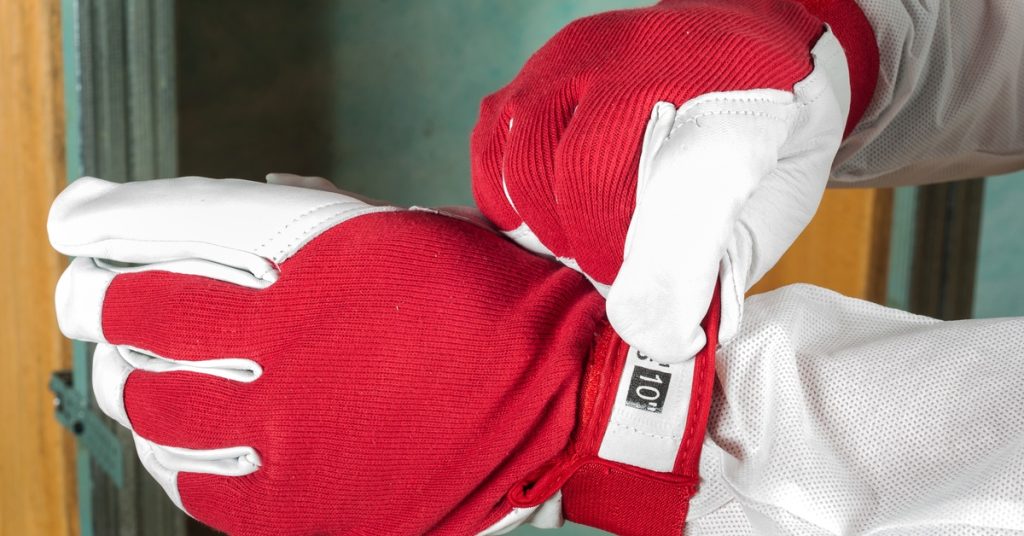
Thermal gloves protect hands from both freezing cold and intense heat. Insulated winter gloves use materials like Thinsulate or fleece to maintain hand warmth in cold storage facilities, outdoor winter construction, or refrigerated environments. Heat-resistant gloves consist of leather, Kevlar, or aluminized materials to protect welders and metalworkers from high temperatures.
Some thermal gloves provide protection up to several hundred degrees, essential for handling hot materials or working near furnaces. The insulation level should match the temperature exposure duration and intensity. Proper thermal protection prevents frostbite, burns, and the loss of dexterity that occurs when hands become too cold or overheated.
Waterproof Gloves
Waterproof gloves keep hands dry in wet environments, from chemical processing plants to outdoor utility work. Manufacturers typically construct these gloves from nylon or synthetic knit bases and apply water-resistant coatings such as PVC, nitrile, or neoprene. The sealed construction keeps liquids out while allowing for breathability where possible.
Commercial fishermen, sanitation workers, and those handling wet materials depend on waterproof gloves for comfort and safety. Extended exposure to moisture can lead to skin maceration and increased injury risk. Quality waterproof gloves balance impermeability with flexibility, ensuring workers maintain grip strength and manual dexterity throughout their shifts.
Choose the Right Gloves for Maximum Safety and Performance
Understanding the complete guide to different work glove types empowers workers and safety managers to choose the right gloves for their needs. Each glove type serves specific purposes, including chemical resistance, impact protection, and thermal insulation.
H To O Supply stocks gloves from industry-leading brands like PIP and others, ensuring access to quality hand protection for every application. The right gloves reduce injury rates, improve worker comfort, and enhance productivity across all industries.
Invest time in proper glove selection, consider the specific hazards present in your workplace, and prioritize both protection and functionality. Your hands deserve the best defense against the unique challenges they face every workday.

Recent Comments