
Builder Hardware: What Do ANSI Grade Levels Mean?

If you’ve ever stood in the hardware aisle staring at two similar products with wildly different price tags, you’ve probably noticed those little ANSI grade labels. Some say Grade 1. Others say Grade 2 or 3. And if you’re like most people, you have no idea what any of it means.
Here’s the short version: ANSI grades tell you how tough something is. The American National Standards Institute sets performance benchmarks for everything from door locks to safety vests to first aid kits. The grade tells you how much abuse a product can take before it fails.
Let’s break down what ANSI grade levels actually mean and why they matter when you’re buying builder hardware or safety gear.
What ANSI Actually Does
ANSI doesn’t manufacture anything. They’re the folks who write the rulebook. Think of them as the referee who decides what counts as “good enough” for commercial and industrial use.
When a manufacturer wants an ANSI rating, they submit their product for testing. Independent labs put it through cycles of stress, impact, temperature swings, and abuse.
If it meets the standard, it gets the grade. If not, the product goes back to the drawing board.
These standard matters because ANSI ratings aren’t marketing fluff. They’re verifiable performance metrics. When you buy ANSI-rated gear, you know exactly what you’re getting.
ANSI Grades for Locks and Hardware
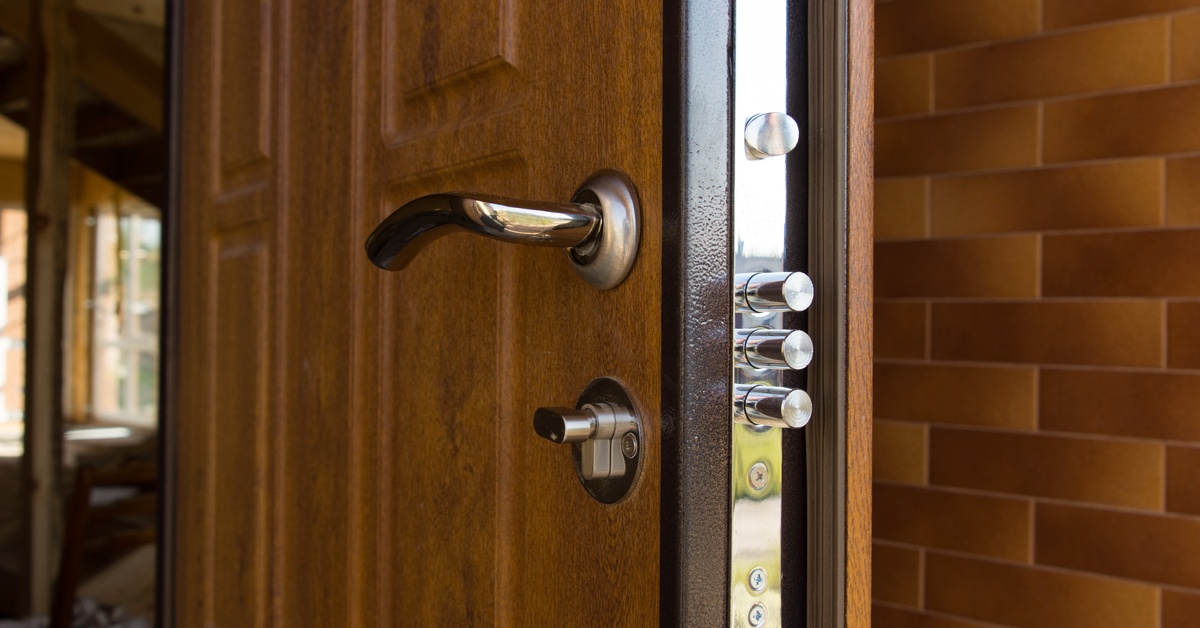
Let’s start with door hardware since that’s where most people encounter these grades.
Grade 1 is the heavy hitter. Manufacturers build these locks for high-traffic commercial buildings and test them to withstand 800,000 cycles of opening and closing. They can withstand repeated impacts and forced-entry attempts. You’ll find Grade 1 locks on schools, hospitals, and office buildings.
Grade 2 is the middle ground. It’s rated for light commercial use and residential applications. These locks handle 400,000 cycles. They’re solid performers for most homes and small businesses.
Grade 3 is basic residential. It’s rated for 200,000 cycles. Perfectly fine for a bedroom door or a storage shed, but not something you’d trust for a building entrance.
The difference isn’t subtle. A Grade 1 deadbolt has a one-inch throw and hardened steel components. A Grade 3 might have a half-inch throw and softer metals. When you’re spec’ing heavy-duty tools and hardware for a job site, that distinction matters.
ANSI Standards Beyond Hardware
ANSI doesn’t just grade locks. They set standards for safety equipment, too.
Take high-visibility clothing. The ANSI Type R Class 2 Vest follows specific requirements for reflective material, background color, and placement.
Class 2 means manufacturers intend it for workers near traffic moving at 25-50 mph. The Type R designation indicates that the retroreflective material meets performance standards for night visibility.
First aid kits get the same treatment. An ANSI A First Aid Kit contains a specific minimum inventory of supplies. The ANSI A standard requires supplies for up to 25 people. It’s not just a random collection of bandages. The standard specifies which supplies and quantities manufacturers must include in the kit.
This standardization makes it easier to stay compliant on job sites. You don’t need to guess whether you have enough safety gear. The ANSI rating tells you.
Why Different Grades Exist
You might wonder why anyone bothers making Grade 3 hardware if Grade 1 is tougher. The answer is simple: cost and overkill.
A Grade 1 commercial lock costs three to five times more than a Grade 3 residential lock. For a closet door in your house, that’s unnecessary. For a warehouse entrance that gets used 50 times a day, it’s essential.
The same logic applies across product categories:
- Grade 1: High-traffic commercial applications, job sites, warehouses
- Grade 2: Light commercial, rental properties, home exteriors
- Grade 3: Interior residential doors, low-use areas
Choosing the correct grade ensures you pay only for the level of performance you actually need. It also helps you avoid products that will wear out too soon or fail unexpectedly.
How to Read ANSI Labels
Most ANSI-rated products have the grade stamped or labeled somewhere visible. On locks, it’s usually on the box or the back of the faceplate. Safety equipment is on a sewn-in tag or printed on the packaging.
Look for the actual ANSI standard number, not just the word “ANSI.” For example, ANSI/BHMA A156.2 is the standard for bored locks. ANSI/ISEA 107 covers high-visibility clothing.
If a product says “meets ANSI standards” without listing which standard, be skeptical. That’s often marketing language without the testing to back it up.
Common Misconceptions About ANSI Grading

Here’s what ANSI grades don’t tell you.
They don’t measure style or finish quality. A Grade 1 lock might have a cheap-looking lever. A Grade 3 could have a beautiful bronze finish. The grade is based solely on mechanical performance.
They also don’t account for installation. A poorly installed Grade 1 lock will fail faster than a correctly installed Grade 2 lock. The rating assumes proper installation and maintenance.
And ANSI grades aren’t universal across all product types. A Grade 1 lock is not comparable to a Class 1 safety vest. Each product category has its own standards and testing protocols.
When ANSI Ratings Matter Most
If you’re outfitting a commercial property, job site, or any space with insurance or code requirements, ANSI ratings are non-negotiable. Inspectors and insurance adjusters look for them. Building codes often require specific grades for certain applications.
For residential use, ANSI ratings give you peace of mind. They’re a shortcut to quality without needing to research every product feature.
And if you’re buying in bulk, ANSI-rated products often have better warranties. Manufacturers stand behind them because they know the testing process is rigorous.
The Bottom Line on ANSI Grades
So, what do ANSI grade levels mean? Simply put, they help consumers cut through the marketing noise.
They give you a clear, testable standard for comparing products. Whether you’re picking outdoor hardware for a new build or stocking up on safety equipment, understanding these ratings helps you make smarter decisions.
Next time you compare products, check the grades. It might explain why one costs twice as much as the other. And more importantly, it’ll tell you which one is right for your job.

Recent Comments