
How To Choose the Right Lock Grade for Your Business
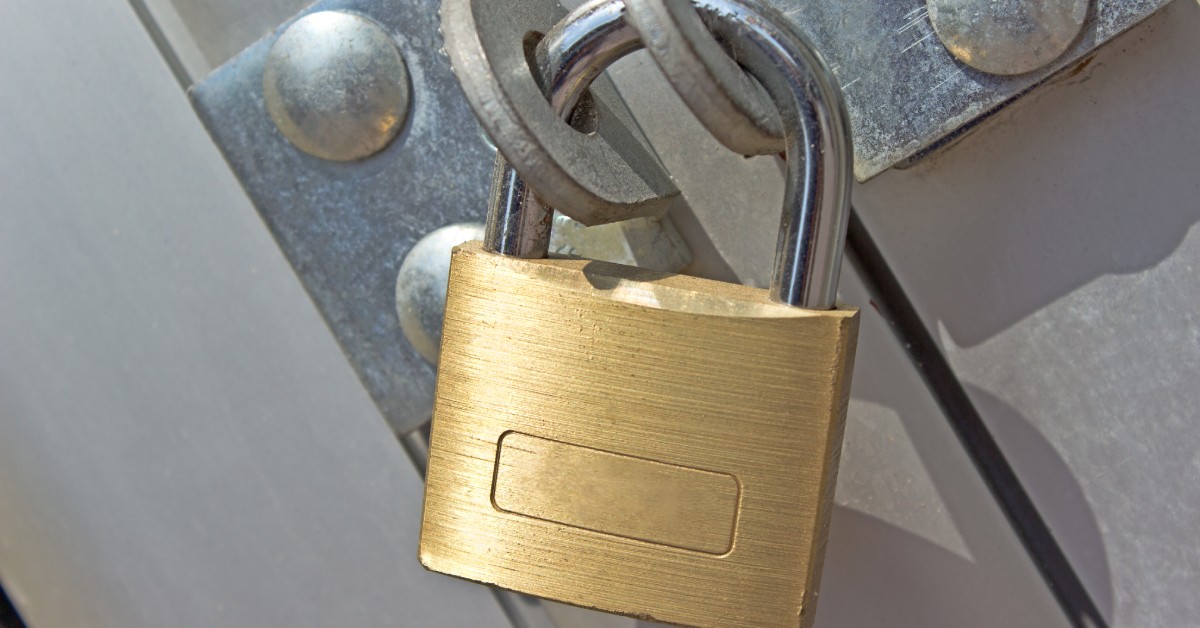
Choosing the right lock grade for your business is key to keeping your property, equipment, and team safe. Commercial spaces face more challenges than homes; consider heavy foot traffic, exposure to the elements, and greater liability risks. By choosing the right ANSI grade for your needs, you’ll boost your security and ensure your locks last for the long haul./i
Lock grades offer a simple way to measure a lock’s strength and performance. When businesses overlook these ratings, they end up replacing their hardware sooner than planned. By understanding how grading works, you can choose products that match your specific needs and risk level.
What Lock Grades Actually Mean
The American National Standards Institute (ANSI) and the Builders Hardware Manufacturers Association (BHMA) created a grading system to measure lock durability and security. Manufacturers test locks for strength, cycle performance, and resistance to forced entry. The resulting grade indicates how the lock performs under controlled stress conditions.
ANSI recognizes three primary grades for commercial door hardware:
- Grade 1: Highest durability and security rating
- Grade 2: Mid-level commercial strength
- Grade 3: Basic residential-level performance
Grade 1 locks withstand the most cycles and have the highest impact resistance. Grade 2 locks provide solid performance for lighter commercial use. Grade 3 locks are suitable for residential or low-traffic environments.
When you know the differences between lock grades, you can avoid choosing hardware that’s either too weak or unnecessarily expensive. This means you’ll get the right level of protection for your business without wasting money.
Matching your lock grade to your specific needs ensures your property is secure and your investment lasts longer. You won’t have to deal with frustrating replacements that place strain on your quarterly budget.
When To Choose Grade 1 Locks

High-traffic commercial and industrial facilities benefit most from Grade 1 locks. Schools, hospitals, municipal buildings, and warehouses often require the highest level of durability testing. These environments demand hardware that can withstand constant use without compromising security.
Grade 1 locks undergo extensive cycle testing and impact resistance evaluations. They resist forced entry attempts more effectively than lower-grade options. Businesses that operate around the clock or store valuable inventory should prioritize this level of protection.
Many heavy-duty locks fall into this category, offering reinforced cylinders, hardened steel components, and advanced key control options. If your business faces higher security risks, choosing Grade 1 hardware helps you stay compliant with industry standards and ensures your property is adequately protected.
Where Grade 2 Locks Make Sense
Grade 2 locks work well for commercial spaces that receive moderate-to-low traffic. Professional offices, small retail stores, and multi-unit residential properties often rely on this grade. These environments require dependable performance but may not face extreme wear.
Manufacturers design Grade 2 locks to balance cost and durability. They pass commercial-level testing, but at lower cycle counts than Grade 1 models. Businesses that manage interior offices or employee-only areas frequently choose this option.
Facility managers can incorporate Grade 2 hardware into keyed-alike systems, making it easier to manage multiple doors with a single key. This streamlines access for facility managers and helps them maintain strong security without managing multiple keys.
Why Grade 3 Locks Rarely Fit Commercial Use
Grade 3 locks are best suited for residential applications. Builders commonly install them in private homes where door traffic remains limited. While they meet minimum safety standards, they lack the durability required for most commercial settings.
When businesses choose Grade 3 hardware, they often notice it wears out faster than expected. This leads to more frequent repairs or replacements and higher costs over time. Plus, many insurance policies and building codes actually require the use of higher-grade commercial locks, making Grade 3 options a poor fit for most business settings.
Professional environments benefit from hardware designed specifically for business-level demands. Selecting the correct grade from the start reduces operational disruptions. Taking the time to evaluate your building’s needs and traffic patterns helps you invest in locks that can handle daily use, protect valuable assets, and comply with insurance requirements.
Evaluating Materials and Construction Quality
Lock grade tells only part of the story. Material selection and internal construction determine how well a lock performs over time. High-quality commercial locks use hardened steel shackles, solid brass cylinders, and corrosion-resistant coatings.
For security professionals, it’s important to consider the thickness and hardening process of the shackle, the type of cylinder, the level of keyway security, and features such as anti-drill and anti-pick protection. For outdoor applications, look for locks with strong corrosion resistance, and make sure any hardware you choose is compatible with your access control systems.
Industrial and municipal buyers typically need locks with weather-resistant finishes to withstand harsh conditions. In coastal or utility environments, it’s important to choose coatings that protect against rust and chemical exposure.
Locks with strong internal components keep working even under tough conditions. The best manufacturers carefully select quality materials and use precise manufacturing techniques. This precision means their locks will last longer and offer greater value over time.
Matching the Lock Grade to Your Risk Profile

Every facility has its own set of security challenges. For example, a retail store will face different risks than a utility substation or an equipment yard. Before you choose your locks, think about things like the value of your assets, how much public access there is, and your building’s operating hours.
Exterior doors that the public can access usually need Grade 1 locks for maximum protection. For spaces like interior storage closets, Grade 2 hardware is often strong enough. If you’re securing equipment trailers, gates, or areas with high-value items, it’s best to use locks designed for the highest level of resistance.
It’s also smart for procurement teams to check insurance policies and compliance rules, since some industries require proof that you’re using commercial-grade security hardware. Choosing the right lock grade helps your business stay safe and meet these important requirements.
Long-Term Value Over Initial Cost
It’s easy for businesses to focus mainly on the initial price tag. Lower-grade locks might seem like a bargain at first, but they often require more frequent replacement and are more likely to fail, which adds up to higher costs over time.
Higher-grade locks can handle more use and keep their precision year after year. They’re also better at resisting tampering, so you’ll deal with fewer breakdowns and service calls, saving your business time and money.
Good security hardware does more than protecting doors. It protects your inventory and equipment and ensures your employees’ safety. By investing in appropriately-rated locks, you’ll keep your business running smoothly and maintain long-term protection.
Make an Informed Lock Grade Decision
Learning how to choose the right lock grade for your business enables you to align your security hardware with real-world demands. ANSI grading provides a reliable benchmark, but materials, application, and risk level complete the decision process. Commercial environments require thoughtful evaluation rather than one-size-fits-all solutions.
H To O Supply provides access to high-quality industrial and security hardware built for demanding applications. By selecting the appropriate lock grade and prioritizing durable construction, your business can remain protected and increase its long-term value.

Recent Comments