
Impact-Resistant Gloves: When Are They Necessary?
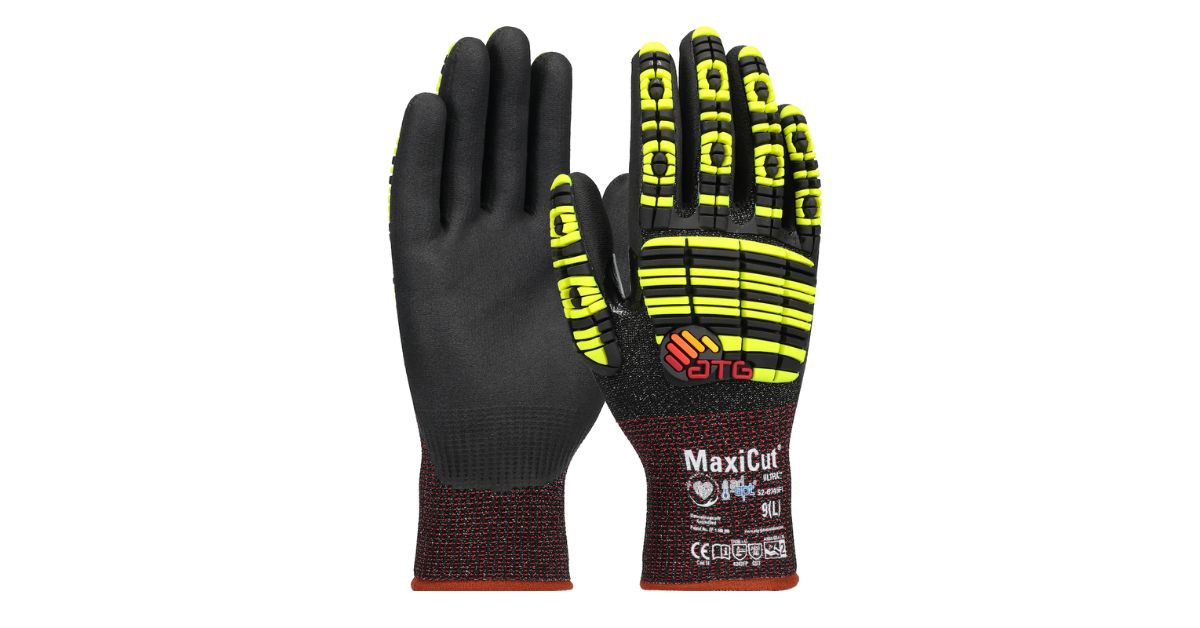
Work environments that involve heavy materials, machinery, and unpredictable hazards demand reliable safety equipment. Determining whether impact-resistant gloves are necessary matters for workers who face risks from crushing forces, falling objects, and sudden contact with equipment.
Proper hand protection reduces injuries and helps professionals maintain productivity on the job. Understanding when impact-resistant gloves provide real value helps teams choose the right gear for specific tasks.
What Are Impact-Resistant Gloves?
Impact-resistant gloves protect hands from blunt force and crushing hazards. Manufacturers build these gloves with reinforced materials across the back of the hand and fingers.
Thermoplastic rubber (TPR) padding absorbs and disperses impact energy before it reaches the skin. By combining strategic padding with durable fabrics, these gloves help workers avoid injuries from accidental knocks, dropped tools, or sudden impacts in fast-paced industrial settings.
These types of gloves differ from standard cut-resistant or abrasion-resistant options. They focus on protecting the top of the hand, where many workplace injuries occur. Workers in demanding environments rely on this design to reduce the severity of impacts from tools, materials, or equipment.
How Impact Protection Works
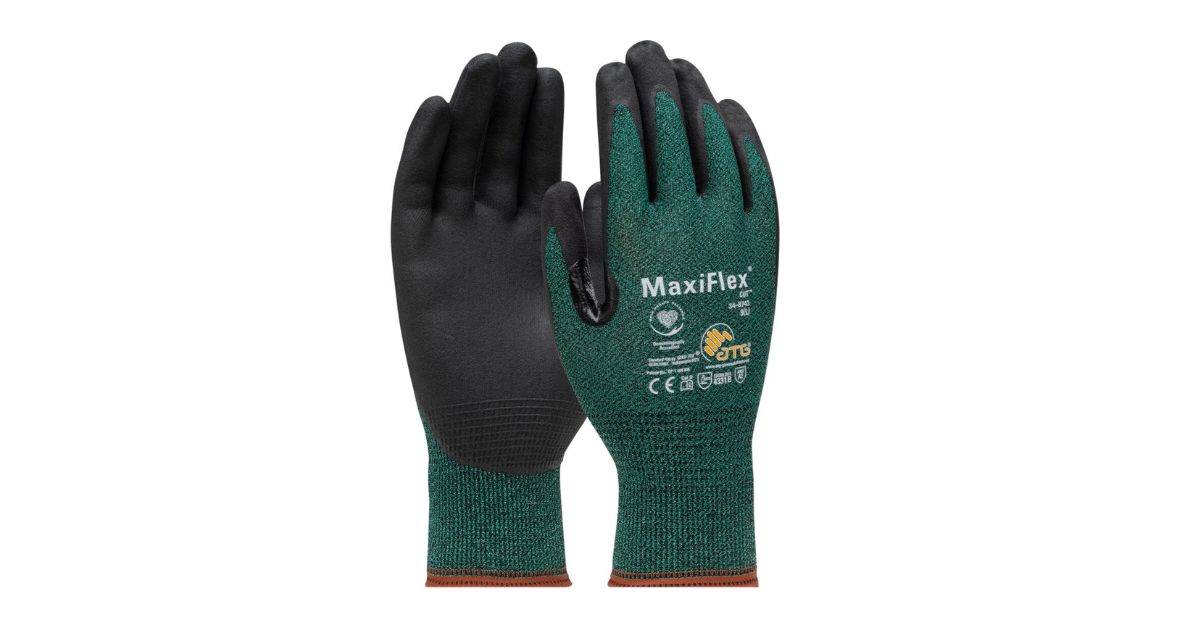
Impact-resistant gloves combine durable fabrics with protective overlays. TPR padding forms flexible ridges that shield the knuckles and fingers. This structure spreads force across the glove rather than allowing a concentrated blow to hit the hand.
Some gloves feature impact protection zones specifically designed for the thumb, which is particularly vulnerable to injuries during manual work and tool operation. Many models also feature reinforced palms and grip materials that help prevent slippage and reduce fatigue when working with slippery or heavy tools.
These features improve a worker’s control in the field, allowing them to handle tools or heavy materials. Newer designs may include moisture-wicking linings or antimicrobial treatments to address additional workplace concerns, further enhancing worker comfort and equipment longevity.
Industries That Use Impact-Resistant Gloves
Impact-resistant gloves are a must-have in industries where workers regularly face dangerous hand hazards. These environments are full of fast-moving or heavy objects that can cause sudden and serious injuries. Recognizing these risks is the first step toward preventing them, and protective gloves provide a simple yet effective barrier against potentially life-changing accidents.
On construction sites, crews frequently handle oversized materials like steel beams, lumber, and concrete blocks. With so much movement and heavy lifting, the risk of dropped objects or shifting loads is ever-present. Wearing impact-resistant gloves in these situations helps protect workers’ hands from unexpected blows, reducing injury severity and maintaining jobsite productivity.
Oil and gas operations are another example of a high-risk environment, where workers often maneuver heavy pipes, specialized tools, and bulky mechanical equipment in tight, confined spaces. The combination of awkward angles and powerful machinery increases the potential for hand injuries. By using gloves with reinforced impact protection, workers can confidently handle tough installation, maintenance, and drilling tasks while reducing the risk of painful accidents.
Utility and municipal workers, those responsible for keeping water, power, and public infrastructure running, also face hazards from heavy tools and unpredictable materials. Whether installing pipes, maintaining waterworks, or repairing roads, these professionals rely on impact-resistant gloves to guard against crushing or striking injuries that could sideline them from essential work.
Common Tasks That Increase the Risk of Hand Injury
Some jobs carry an increased risk of impact injuries, especially when workers regularly handle heavy or fast-moving materials. Routine activities can turn hazardous in an instant, making it crucial to recognize when workers need specialized protection.
Examples include:
- Handling pipes, steel components, or large fittings.
- Operating heavy machinery or hydraulic equipment.
- Installing mechanical systems in confined work areas.
- Loading and unloading construction materials.
- Performing demolition or infrastructure repair tasks.
In these situations, wearing impact-resistant gloves helps workers maintain a secure grip, avoid painful injuries, and stay focused on the job at hand. The right pair can increase a worker’s confidence and efficiency, making demanding work feel safer and more manageable.
Key Features to Look for in Impact-Resistant Gloves
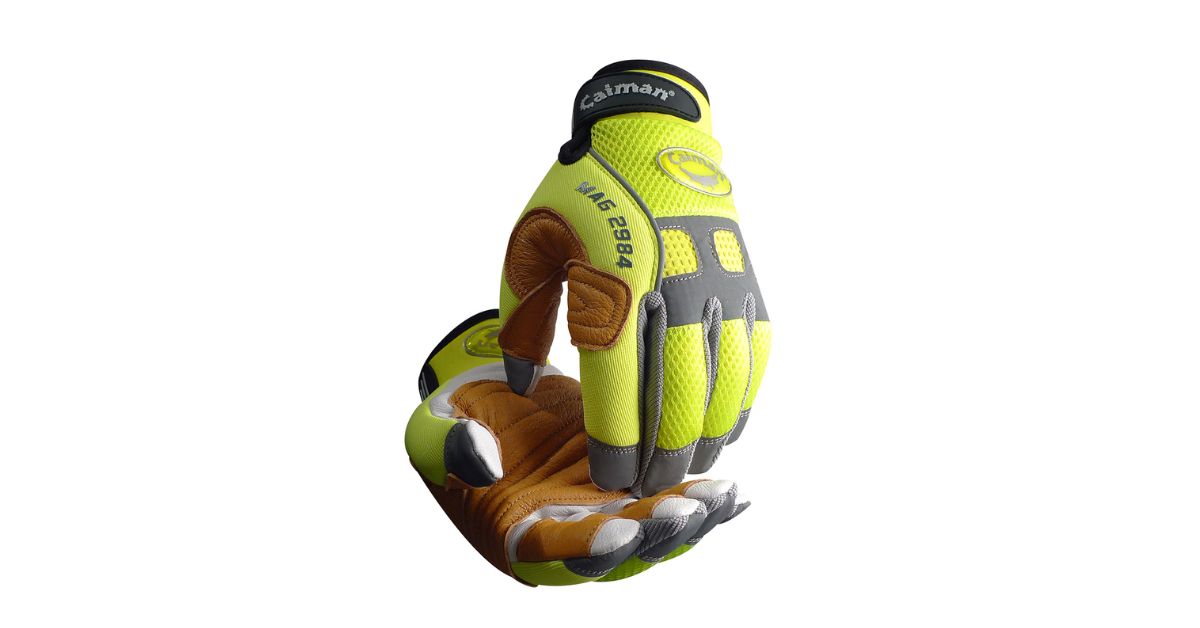
Impact-resistant gloves come in many styles, but not all provide the same level of protection. The difference comes down to construction quality, material choices, and design features. You’ll want to find gloves that can withstand tough conditions and deliver the performance you need on your jobsite.
When evaluating your options, look for these important features:
- Thermoplastic rubber (TPR) protection: Shields knuckles and fingers from blunt force impacts.
- Reinforced palm materials: Improve durability when handling rough or heavy objects.
- High-grip coatings: Provide better control when using tools or moving equipment.
- Flexible design: Maintains dexterity without sacrificing protection.
- Cut-resistant liners: Protect against sharp edges during material handling.
- Breathable fabrics: Help reduce heat buildup during long shifts.
Choosing gloves with these features prepares you for the specific hazards of your job, whether that’s gripping steel beams on a rainy construction site or operating vibrating power tools all afternoon. You can concentrate on the job at hand without worrying about what might happen to your hands.
Safety Standards and Performance Ratings
Before gloves reach the worksite, manufacturers test and certify them under recognized safety standards. These tests give buyers a reliable way to compare products and determine how a glove performs under real working conditions. Ratings help safety managers and procurement teams sort through the many available options and choose gear that delivers proven protection.
One of the most important standards for impact protection is ANSI/ISEA 138, which evaluates how well gloves protect the back of the hand. Testing focuses on areas most likely to receive a direct blow, including the knuckles and fingers. During testing, controlled impacts measure how much force the protective material absorbs and how effectively it spreads that force across the glove.
The standard assigns three performance levels. Level 1 offers basic impact protection for lighter-duty work, while Level 2 provides stronger protection for more demanding environments. Level 3 is the highest level of tested impact resistance and is suitable for workers who regularly handle heavy materials or operate equipment that can strike the hands.
Cut resistance ratings also play an important role in glove selection. The ANSI/ISEA 105 cut resistance scale ranks gloves from A1 to A9, with higher numbers indicating greater resistance to sharp edges. Workers who handle sheet metal, glass, or sharp tools often require higher cut ratings to prevent lacerations.
By reviewing both impact and cut resistance ratings, safety teams can select gloves that match the real hazards workers face. This approach ensures employees receive the right level of protection for the specific tasks they perform every day.
H To O Supply: The Smart Choice for Safer Hands
Deciding if impact-resistant gloves are necessary starts by closely reviewing your workplace hazards. In jobs where heavy materials, powerful machinery, or sudden impacts are part of the daily routine, these gloves are a must-have for worker safety.
By choosing hand protection gloves with robust materials, proper certifications, and impact protection features, teams can significantly reduce injuries and support better job performance. Explore durable, high-quality impact-resistant gloves and other safety equipment available at H To O Supply to keep your team protected on the job.

Recent Comments