
The Complete Guide to Industrial Lock Types and Selection
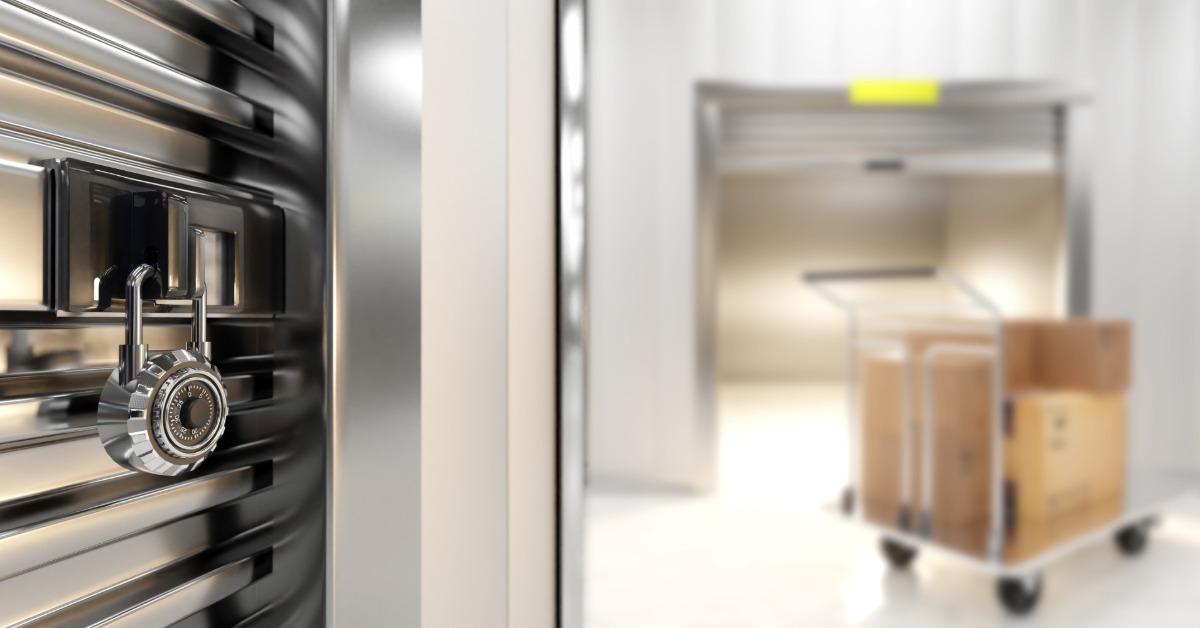
Choosing the right lock for an industrial setting isn’t as simple as grabbing whatever looks sturdy on the shelf. The complete guide to industrial lock types and selection exists to help buyers understand the real differences between lock categories, the materials that separate adequate from excellent, and how to match a lock to its actual environment. Whether you manage a warehouse or oversee facility security, getting this decision right matters more than most people realize.
Know Your Lock Categories
Industrial settings put their hardware to the test, far more than you’d see in a typical home. Locks here must withstand harsh weather, chemical exposure, and heavy daily use, and sometimes, they become targets for tampering or break-ins. By understanding the main lock categories, you can quickly zero in on the best type for your situation before worrying about brands or price tags.
Padlocks, Cam Locks, and Specialty Types
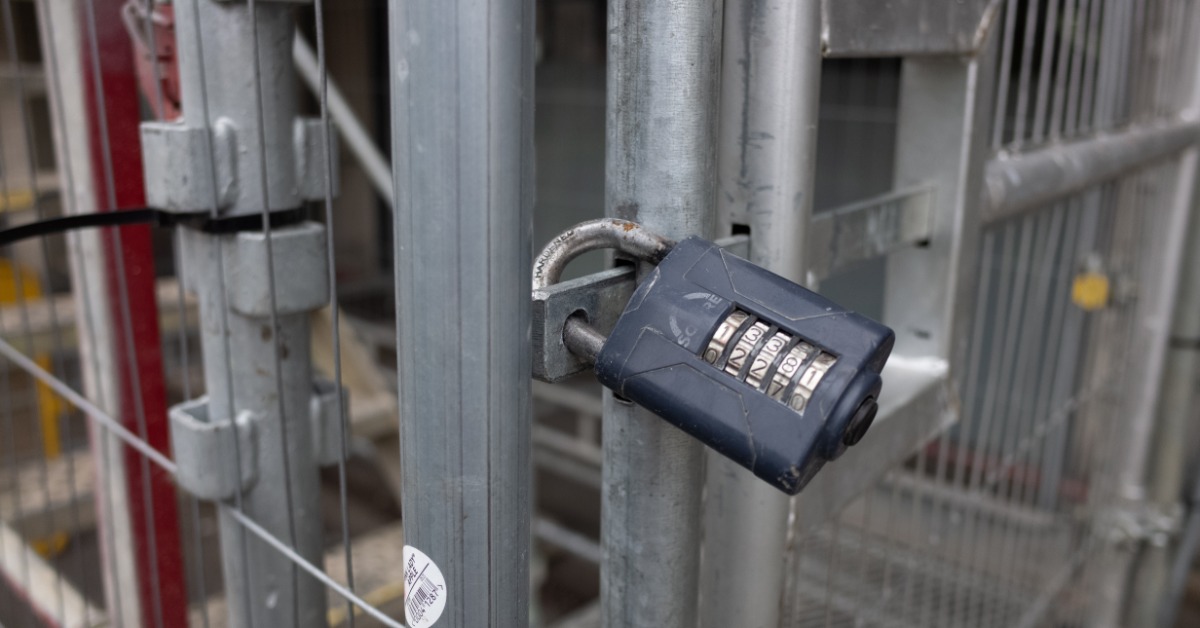
Padlocks are easily the most familiar lock you’ll see on jobsites and in facilities. They come in rekeyable and fixed-key varieties, and manufacturers build them in multiple body widths and shackle lengths for different hasp configurations. A wide-body padlock with a hardened shackle is great for gates and storage containers, while a smaller version is more suitable for toolboxes or community lockers.
Cam locks are more common than most people realize. These cylindrical locks mount into a drilled hole and use a rotating cam to secure cabinets, electrical panels, and enclosures. They aren’t right for high-security applications, but they provide quick, reliable access control for equipment that your crew uses daily.
Beyond those two options, job sites commonly use the following:
- Deadbolt locks for doors that must withstand forced-entry attempts.
- Padlocking hasps that let you attach multiple lockout devices to a single energy source.
- Puck locks designed for roll-up doors and storage units.
- Shutter locks built specifically for commercial roll-up door applications.
- Cable locks that secure irregularly shaped equipment or bundle tools together.
Every lock type is designed to solve a specific problem, so choosing the wrong one can create security gaps or cause equipment failures that end up costing more than the lock itself. Taking the time to match the lock to its environment and purpose can save you headaches and extra expenses down the road.
Materials and Build Quality
The material in a lock can make or break its performance over time, yet it’s something many people forget to check. A lock may look tough in a catalog photo, but if it’s made from the wrong alloy or missing critical reinforcements, it could fail after just one season outdoors. Learning to read product descriptions closely helps you spot these differences and avoid throwing money away on hardware that won’t last.
What Lock Body Materials Tell You
Hardened steel shackles are much tougher to cut or saw than regular steel shackles. This toughness comes from special heat treatments that make the outside hard but leave the inside flexible so that the shackle won’t snap if it’s hit. If you’re picking a padlock for outdoor use or a high-risk area, always check what the shackle is made of; this detail often determines whether a lock can withstand real attempts at cutting or forced entry.
Brass padlock bodies are common because brass resists rust and corrosion on its own, so it doesn’t need a protective coating that might eventually wear away. Since brass is softer than steel, these locks aren’t the best choice if someone might try to force the lock open. However, for use in damp, humid, or marine settings, brass padlocks offer dependable performance over time.
Laminated steel bodies are built by stacking layers of steel plates, creating a lock that shrugs off drilling, cutting, and heavy hits. This layered design gives laminated locks excellent resistance to physical attack, and brands like Paclock are known for making tough, reliable options.
Boron shackles stand up to bolt cutters even better than hardened steel does. Since they’re so tough, security experts often recommend boron shackle locks for outdoor areas where someone might try to cut through the lock.
Selecting the Right Lock for Your Application
Knowing the categories and understanding the materials gets a buyer halfway to a solid decision. The second half involves matching those specifications to the actual environment and use case before committing to a purchase. A lock that performs well in a dry warehouse might fail quickly in a coastal facility where salty air accelerates corrosion.
Environmental and Application Factors
Weather exposure is one of the most important factors in selecting a lock. Outdoor locks need either a weather-resistant coating or a corrosion-resistant body material. Some manufacturers add rubber bumpers or protective covers to keep moisture out of the keyway, reducing the risk of internal corrosion that can freeze a lock cylinder and render it unusable during critical operations.
Security ratings and certifications give buyers an objective way to compare locks across brands. Standards from organizations like ANSI/BHMA set minimum performance benchmarks for pick resistance and physical attack resistance, and a lock rated at a higher grade has passed tests that a lower-rated product hasn’t. Those ratings reflect real performance differences that show up in the field.
Keying options matter as much as physical specifications for facilities managing multiple access points. Master keying systems let a single key open multiple locks while each lock still uses its own individual key. Keyed-alike systems group locks so that one key opens several units, which works well for tool cribs or storage areas where the same person needs access across multiple locks. Grand master systems allow tiered access across large facilities or across several locations within an organization.
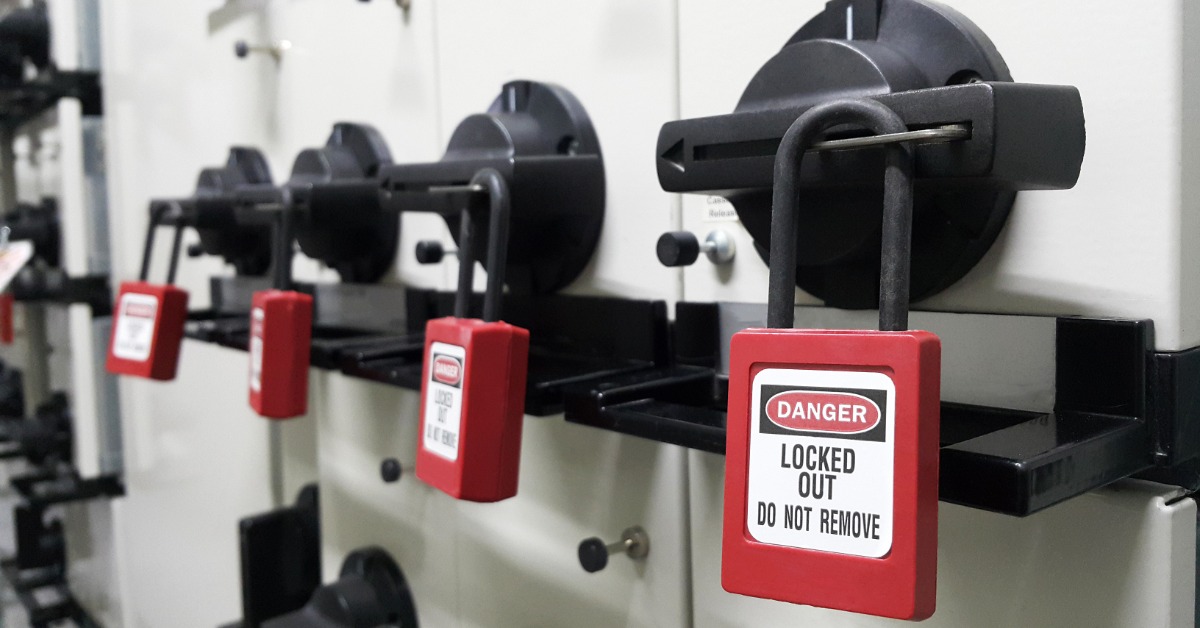
Application-specific requirements also shape the decision for lockout/tagout programs. Industrial locks designated for LOTO procedures must meet OSHA requirements, meaning they must have sufficient physical integrity to prevent removal without a key or excessive force. They must also have clear identification for energy-isolation use.
Better Hardware Starts With Better Information
When facility managers and procurement teams take the time to understand lock specifications, they make smarter purchases and avoid replacing hardware that doesn’t meet their needs.The complete guide to industrial lock types and selection provides buyers with a practical starting point for evaluating their current security setup and identifying where to install better hardware. H To O Supply carries top-tier brands like Paclock and more to help facilities find exactly what they need.

Recent Comments