Industrial Tools vs. Consumer Tools: What’s the Difference?
Whether you manage a warehouse or work in a field that demands consistent heavy output, the tools you rely on directly affect your productivity and safety on the job. Knowing the difference between industrial and consumer tools can save you time and money while keeping your team protected in challenging conditions. Choosing the right category for your needs ensures you’re investing in equipment built to withstand the demands of your environment.
Understanding the Two Categories
Industrial tools and consumer tools may look similar at first glance, but engineers and manufacturers design them with different users and environments in mind. Consumer tools, sometimes called DIY or residential tools, are designed for occasional use around the home or for light projects that don’t require sustained heavy output.
Industrial tools, by contrast, are used in professional settings where machinery runs for long hours, workers depend on consistent output, and unexpected downtime carries real financial consequences. The gap between these two categories reflects a fundamental difference in engineering intent and the demands each tool must handle over its lifetime.
Understanding that distinction before you invest helps you make a smarter, more cost-effective decision, avoiding unnecessary expenses while ensuring long-term performance. It also helps reduce downtime by ensuring your tools can handle the demands of daily use.
Build Quality and Materials
One of the clearest distinctions between industrial and consumer tools lies in how manufacturers construct them from the ground up. Consumer tools often use lighter, lower-cost materials to keep retail prices accessible to the average homeowner or weekend hobbyist.
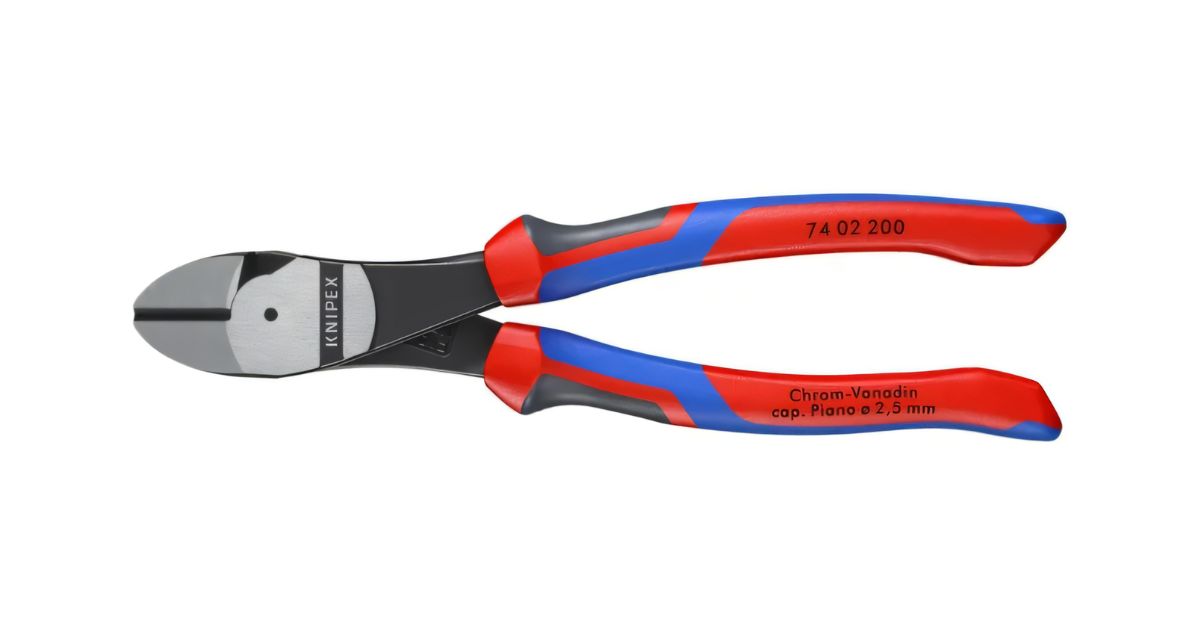
Industrial tools use higher-grade metals and reinforced components, with tighter manufacturing tolerances throughout their construction. Brands like Knipex and Hultafors, both available through H To O Supply, engineer their tools specifically for professionals who subject their equipment to rigorous and repetitive daily demands.
The quality of materials in an industrial tool contributes directly to how accurately it performs and how long it holds up under real-world pressure. This is why professionals consistently choose tools made from premium alloys and engineered for demanding applications.
Performance and Power Output
Industrial tools consistently deliver higher performance than their consumer-grade counterparts, and the difference becomes clear the moment you put them to work in a demanding professional environment. A consumer drill, for example, may handle occasional household tasks without issue, but it will struggle under the sustained demands of a full-time job site.
Industrial tools maintain consistent torque and precision even during extended periods of heavy use. This level of performance matters most in environments where accuracy directly affects project outcomes or the safety of the people on site.
Poor tool performance doesn’t just slow down a project; it can cost businesses money in rework and result in equipment failure at the worst possible moment. Professionals who depend on their tools every single day need equipment that delivers reliable results, and industrial-grade tools exist precisely to meet that standard.
Durability and Lifespan
Consumer tools typically have a shorter lifespan because manufacturers design them for light and infrequent use. When workers push a consumer tool beyond its intended capacity, the components wear down quickly, and the tool may fail without warning.
Industrial tools can withstand frequent, intense use over many years of service. This durability comes from superior raw materials and more rigorous quality control throughout the manufacturing process. While industrial tools cost more upfront, they deliver greater long-term value by lasting longer and requiring fewer replacements than consumer options.
Several factors determine how well a tool holds up in real-world conditions:
- Material grade: Higher-grade steel and alloys resist wear and corrosion more effectively than lower-grade alternatives.
- Heat tolerance: Industrial tools withstand the heat generated by prolonged use without losing performance or structural integrity.
- Impact resistance: Professional tools withstand drops and heavy contact that would crack or damage a consumer-grade product.
- Seal and protection ratings: Many industrial tools carry ratings that protect internal components from dust and moisture.
- Maintenance design: Manufacturers build industrial tools with serviceability in mind, so replacing worn parts is accessible and cost-effective.
Safety Standards and Certifications
Safety is one area where the gap between industrial tools and consumer products becomes especially clear. Industrial tools and safety equipment must meet strict certifications and standards set and enforced by regulatory bodies across professional industries. This matters most for personal protective equipment, where substandard gear can lead to serious on-the-job injuries.
H To O Supply carries trusted safety equipment from brands like PIP, a recognized leader in personal protective equipment. These products meet or exceed ANSI and OSHA standards, giving both workers and employers confidence that their gear will perform when it matters most.
Consumer-grade safety products rarely carry the same level of certification, making them a poor, potentially dangerous choice for any professional or high-risk work environment. Investing in certified industrial safety equipment ensures better protection and compliance with workplace regulations.
Choosing the Right Tools for Your Work
Selecting the right tools starts with an honest assessment of how frequently you will use them and what conditions they will face. If you handle light tasks on occasion and your work doesn’t involve sustained heavy use, consumer tools may meet your needs at a lower cost.
However, professionals in manufacturing and industrial settings need consistent performance and long-term reliability from every piece of equipment they pick up. H To O Supply began as a distributor of Waterworks tools and has since grown into a trusted source for a broad range of specialty industrial tools and safety equipment.
When you browse an online tool store like H To O Supply, you gain access to professional-grade brands like Knipex and Paclock, along with many other options that workers across various industries depend on every day. The investment in quality pays for itself through fewer replacements and stronger performance in a safer work environment.
Industrial vs. Consumer Tools: The Final Verdict
Deciphering the difference between industrial and consumer tools is straightforward once you understand what each category delivers and who it serves. Consumer tools suit casual users well enough, but they fall short in professional environments where performance and safety are non-negotiable.
Industrial tools deliver the durability and precision needed for demanding work, with certifications and build quality far beyond those of consumer tools. This difference is especially important in environments where tool failure can cause costly delays or safety risks.
At H To O Supply, you’ll find a carefully selected range of professional-grade tools and safety equipment from industry-beloved brands. Visit our website today to explore our full catalog and discover the right solutions for your operation.

Recent Comments