
Why Switch to Smart Locks for Self-Storage Facilities
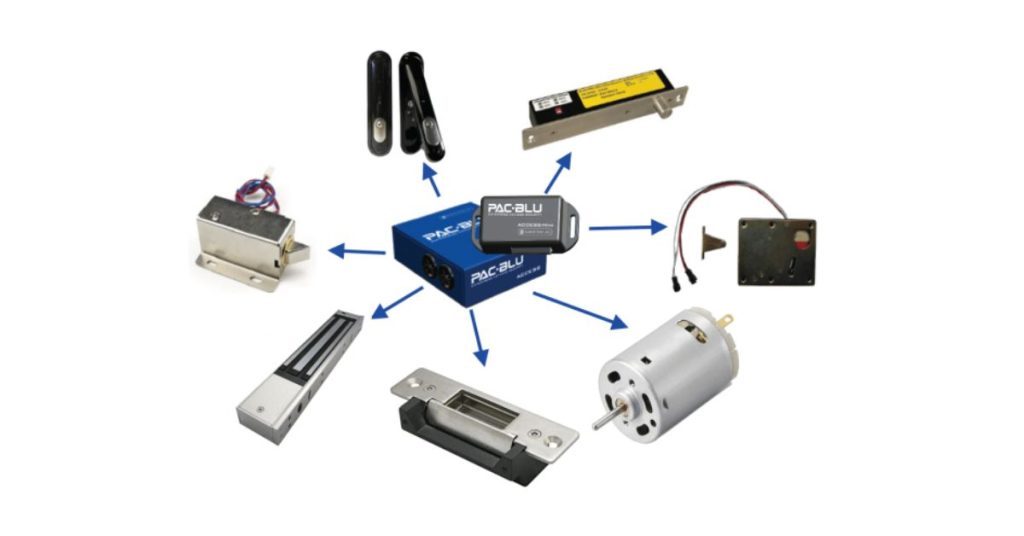
Self-storage facilities face recurring issues related to physical keys and limited access controls. Lost keys and unauthorized entry create security gaps while slowing down daily operations. That’s why the switch to smart locks for self-storage facilities has become a growing priority across the industry.
Modern locking systems give operators more control over access and strengthen protection compared to traditional padlocks, helping facilities run more efficiently and securely. As technology advances, these smart locks are becoming increasingly accessible and cost-effective for storage operators of all sizes.
How Smart Locks Improve Facility Security
Smart locks strengthen security by eliminating many of the vulnerabilities associated with physical keys. Traditional locks can be lost, duplicated, or tampered with, posing a risk to both facility operators and renters. Smart systems rely on encrypted credentials and digital authentication, which makes unauthorized access more difficult.
Facility managers can monitor activity in real time. Many systems log entry attempts, access times, and user activity, which helps identify suspicious behavior early. This level of visibility supports stronger security protocols without requiring constant on-site supervision.
High-quality smart locks also incorporate durable materials and tamper-resistant designs. Features like hardened shackles, reinforced bodies, and advanced cylinders help prevent forced entry. These physical protections work alongside digital controls to create a layered security approach.
Simplified Access Management for Operators
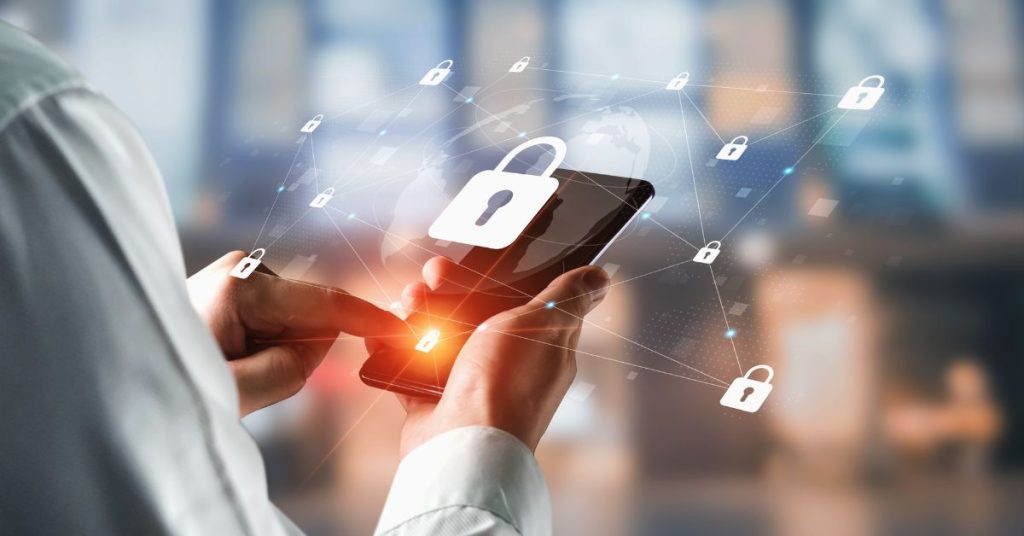
Managing keys across dozens or hundreds of units creates a constant administrative burden. Smart locks eliminate this challenge by allowing operators to assign, adjust, and revoke access digitally. Staff can instantly update permissions without visiting each unit.
This approach improves efficiency across daily operations. When tenants move out or change access requirements, managers can make updates in minutes. Facilities no longer need to track physical keys, reissue replacements, or coordinate lock changes across multiple units.
Digital systems also reduce the risk of human error. Manual key tracking often leads to misplaced keys or outdated access permissions. Smart locks provide centralized control, which keeps access records accurate and up to date.
Better Tenant Experience and Convenience
Smart locks create a smoother experience for tenants who expect convenience and reliability. Instead of relying on physical keys, users can access their units through mobile apps, PIN codes, or key cards. This flexibility makes it easier for customers to manage access on their own terms.
Many systems also support Bluetooth access control, which allows users to unlock units directly from their smartphones. This feature reduces friction during entry and removes the need to carry or store physical keys.
Tenants can access their units quickly without worrying about lost keys or forgotten combinations. Additionally, remote access authorization enables facility staff to assist tenants when access issues arise, improving responsiveness and user satisfaction.
A modern access system signals that the facility invests in both security and usability. This perception can influence customer decisions when comparing storage options. In a competitive market, small technological advantages can help a facility stand out and attract tenants who value peace of mind.
Reduced Maintenance and Long-Term Costs
Traditional locking systems require ongoing maintenance, including key replacements, lock changes, and repairs. These costs increase over time, especially in larger facilities with high tenant turnover. Smart locks reduce many recurring expenses by eliminating the need for physical key management.
Operators can avoid frequent lock replacements when tenants change. Instead of swapping hardware, they can update a tenant’s digital credentials. This process saves time and reduces material costs while maintaining consistent security standards.
Smart locks also help prevent damage caused by forced entry or improper use. High-quality designs built for industrial environments hold up better under repeated use. This durability supports long-term cost savings and reduces repair downtime.
Because of digital access management, operators spend less time traveling between units to handle routine lock issues or maintenance needs. Over the facility’s lifespan, reductions in labor and hardware replacement costs can add up to substantial budget savings.
Key Features to Look for in Smart Locks
Not all smart locks offer the same level of performance or durability. Facilities should prioritize products designed for industrial and high-use environments. Build quality, materials, and resistance to tampering all influence long-term reliability.
When evaluating your options, focus on features such as:
- Hardened materials like boron alloy steel for cut resistance
- Weather-resistant coatings for outdoor exposure
- Secure keyways and advanced cylinder construction
- Digital access control with audit trail functionality
- Integration with facility management software
Brands like PACLOCK design products with security and durability in mind. Their locks often feature solid construction, corrosion resistance, and advanced locking mechanisms suited for demanding applications. Choosing a trusted manufacturer helps ensure consistent performance across all units.
Scalability for Growing Storage Operations
As facilities expand, security systems must scale alongside them. Smart locks support growth by allowing operators to manage multiple units, buildings, or locations from a centralized platform. This flexibility simplifies operations as businesses add new storage spaces.
Centralized control also improves oversight. Managers can monitor multiple sites without being physically present, helping maintain consistent standards across the entire operation. This capability becomes especially valuable for companies that manage several properties.
Scalable systems also allow facilities to adopt new technologies over time. Operators can start with a single location and expand their system as needed. This approach simplifies the initial setup while making it easy to expand as your needs change over time.
Supporting Compliance and Accountability
Security standards continue to evolve across industries, including self-storage. Smart locks help facilities align with modern expectations by providing clear access records and controlled entry points. These systems support accountability by documenting who accessed a unit and when.
This level of documentation proves valuable during incident investigations or customer disputes. Access logs provide clear, time-stamped records that remove uncertainty. Facility operators can respond to issues quickly with accurate information.
When facilities maintain strong accountability, they establish a reputation for professionalism and reliability. Customers trust businesses that demonstrate clear security practices and transparent access control. This trust builds stronger, lasting relationships with customers and encourages them to stay put.
Upgrading Self-Storage Security with Smart Locks
As security demands and customer expectations increase, the decision to switch to smart locks for self-storage facilities becomes easier to justify. These systems offer stronger protection, simplified management, and a convenient user experience. By working with a trusted distributor like H To O Supply, facility operators can source high-quality smart lock solutions that meet modern security standards while supporting long-term efficiency.

Recent Comments