
Mechanical Locks vs. Electronic Locks for Industrial Use
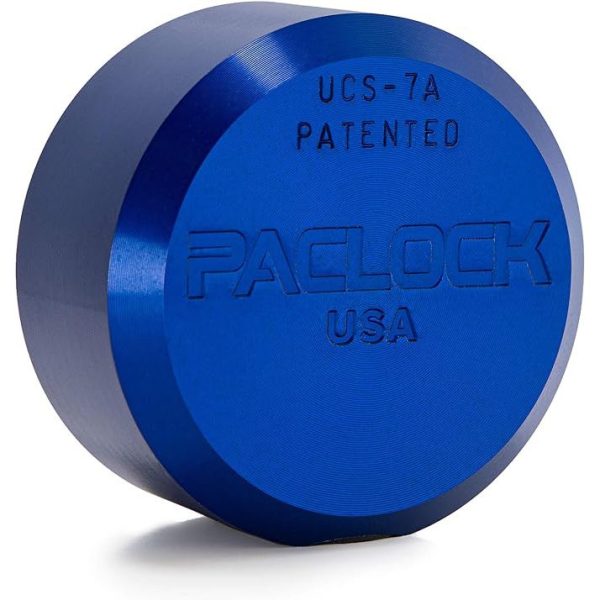
Industrial facilities depend on secure access control to protect equipment, inventory, sensitive materials, and employees. Every lock installed on a warehouse door, utility enclosure, gate, or storage cabinet plays a role in maintaining safety and preventing unauthorized entry. Choosing between mechanical and electronic locks requires more than comparing convenience features. Each option offers unique advantages that suit different environments, security requirements, and maintenance expectations.
Understanding how each locking system performs under real working conditions helps organizations make informed decisions that align with operational needs, compliance requirements, and long-term reliability.
What Makes Mechanical Locks Different?
Mechanical locks rely on physical components instead of electrical systems. Keys, tumblers, cylinders, shackles, and internal locking mechanisms work together to secure an opening without requiring batteries, wiring, or network connections.
Industrial facilities often choose mechanical locks because they offer:
- Proven long-term reliability
- Minimal maintenance requirements
- Resistance to power failures
- Straightforward operation
- Lower installation costs
Many industrial environments expose equipment to moisture, dust, vibration, chemicals, and temperature fluctuations. A well-built mechanical lock often continues performing under these demanding conditions without depending on electronic components.
How Electronic Locks Work
Electronic locks replace or supplement traditional keys with digital credentials. Users may unlock doors with PIN codes, key cards, smartphones, biometric readers, or remote management systems.
Unlike mechanical locks, electronic systems often integrate with broader access control platforms that record entries, manage permissions, and simplify credential updates.
These systems work particularly well for facilities that need to manage large numbers of employees or control access across multiple buildings.
Security Strength Depends on More Than Technology
Many people assume electronic locks automatically provide better security. In reality, overall security depends on several factors beyond the locking method.
Important considerations include:
- Lock construction quality
- Material strength
- Installation quality
- Resistance to cutting and tampering
- Proper maintenance
- Appropriate use for the application
A poorly constructed electronic lock offers little protection, while a premium mechanical lock built from hardened materials can provide outstanding physical security. The best choice depends on the risks associated with each access point.
Mechanical Locks Excel in Harsh Environments
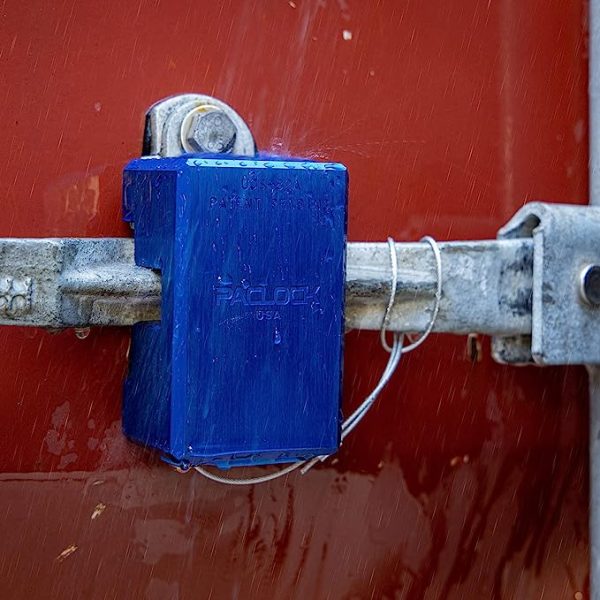
Industrial worksites rarely provide ideal conditions for electronic equipment. Manufacturing plants, utility sites, construction projects, and outdoor facilities expose security hardware to challenging environments every day.
Mechanical locks continue performing well in locations that experience:
- Heavy rain and snow
- Dust and dirt
- Corrosive chemicals
- Extreme temperatures
- Frequent vibration
- Remote locations without electrical service
Because these locks operate independently of electrical power, they remain functional during outages and emergency situations. This reliability makes them a preferred solution for many industrial applications.
Electronic Locks Offer Flexible Access Management
Organizations with changing workforces often appreciate the flexibility electronic systems provide.
Instead of replacing physical keys when personnel changes occur, administrators can update access permissions through software. New employees receive credentials quickly, while former employees lose access immediately after administrators remove their authorization.
Electronic systems also simplify temporary access for contractors, maintenance personnel, and visitors.
This flexibility reduces administrative effort while improving overall control of facility access.
Maintenance Requirements Differ Significantly
Every locking system requires periodic inspection, but maintenance responsibilities vary considerably between mechanical and electronic solutions.
Mechanical locks generally require:
- Cleaning
- Lubrication
- Inspection for wear
- Occasional cylinder replacement after many years of service
Electronic locks introduce additional maintenance tasks such as battery replacement, firmware updates, software management, sensor testing, and electronic troubleshooting.
Facilities with hundreds of electronic locking devices should account for these ongoing responsibilities when planning maintenance schedules and operating costs.
Consider Environmental Conditions Before Choosing
Environmental conditions should influence every lock selection decision.
Outdoor gates, utility cabinets, water treatment facilities, and industrial yards expose locking hardware to weather throughout the year. Indoor manufacturing operations may expose locks to oils, chemicals, metal particles, or abrasive dust.
Facilities should evaluate factors such as:
- Moisture exposure
- Temperature extremes
- Airborne contaminants
- Chemical exposure
- Frequency of use
- Potential impact damage
Selecting hardware specifically designed for these conditions often proves more valuable than simply choosing the newest technology.
Access Tracking Can Improve Accountability
One of the greatest advantages electronic systems provide involves recordkeeping.
Many electronic locks create access logs showing:
- Entry times
- Credential used
- User identity
- Failed access attempts
- Administrative changes
These records support investigations, compliance requirements, and security audits.
Mechanical locks do not automatically generate activity records. Organizations relying on traditional keyed systems must implement separate procedures to monitor key distribution and access authorization.
Facilities with strict regulatory requirements may benefit from electronic audit capabilities, particularly when managing restricted areas.
Cost Involves More Than Initial Purchase Price
Purchase price represents only one portion of total ownership costs.
Mechanical locks typically cost less to install because they require no electrical infrastructure, programming, or network integration.
Electronic systems often involve additional expenses for:
- Wiring
- Access control software
- Credential management
- System configuration
- Battery replacement
- Ongoing technical support
However, facilities with frequent employee turnover may recover those costs through reduced rekeying expenses and simplified credential management.
Evaluating total lifecycle costs provides a more accurate comparison than focusing solely on initial installation.
Physical Durability Remains Essential
Industrial security hardware must withstand attempted tampering as well as daily wear.
Quality matters regardless of lock type. Facilities should prioritize products manufactured with hardened steel, corrosion-resistant finishes, precision machining, and tested security standards.
In high-risk environments, many organizations invest in heavy duty locks designed specifically for industrial applications where strength, weather resistance, and durability remain critical.
Selecting products from reputable manufacturers helps ensure consistent performance over many years of service.

When Mechanical Locks Make the Most Sense
Mechanical locks often provide the best solution when facilities prioritize simplicity and dependable operation.
These locks work especially well for:
- Outdoor utility enclosures
- Construction sites
- Equipment storage
- Remote infrastructure
- Industrial gates
- Warehouses with limited electronic infrastructure
Organizations that value straightforward maintenance and dependable operation during power outages often continue relying on mechanical locking systems for critical physical security.
When Electronic Locks Provide Greater Value
Electronic locks become attractive when organizations require advanced access management capabilities.
They often fit well in:
- Corporate campuses
- Research facilities
- Healthcare environments
- Large manufacturing plants
- Distribution centers
- Multi-building industrial operations
Facilities with numerous employees, multiple shifts, and frequent access changes often benefit from centralized credential management and automated recordkeeping.
Electronic systems also integrate well with broader security platforms that combine surveillance, alarms, and visitor management.
Choosing the Right Lock for Your Facility
No single locking system serves every industrial application equally well. The best choice depends on security objectives, environmental conditions, maintenance resources, and operational priorities.
Facilities should begin by identifying what they need each lock to accomplish. Some areas require maximum physical durability, while others benefit more from detailed access records and centralized management.
Many organizations successfully combine both technologies. Mechanical locks continue protecting outdoor infrastructure and remote assets, while electronic locks manage access to offices, production areas, and controlled environments.

Recent Comments