
5 Benefits of Upgrading to High-Security Locks
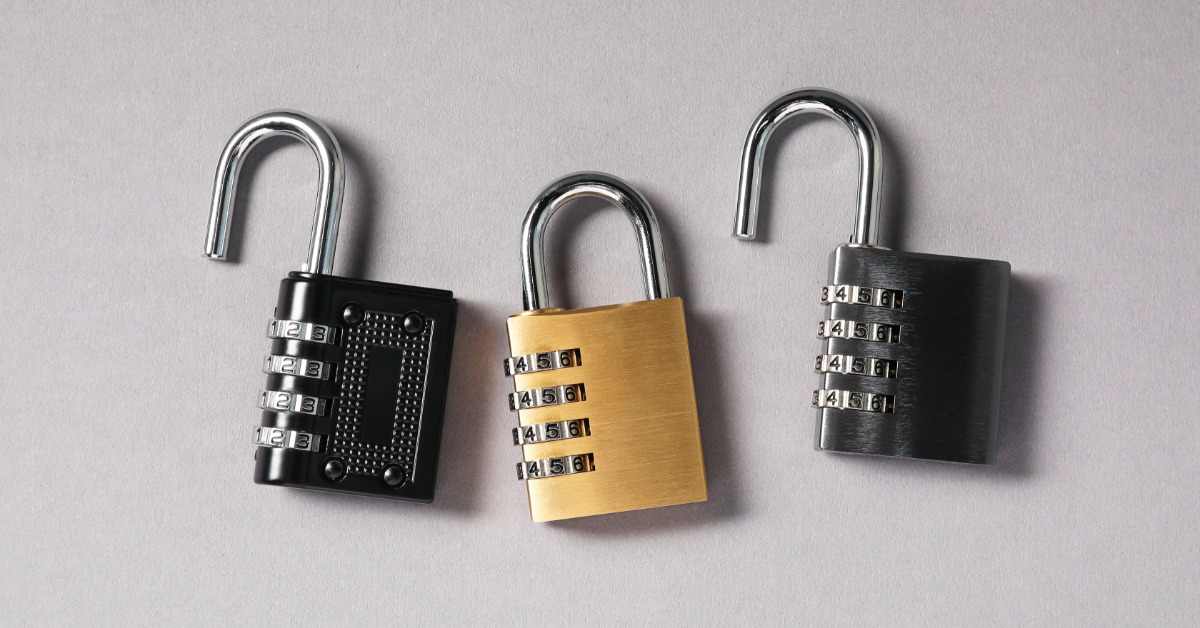
Security is a priority that no business can afford to overlook. From warehouses and construction sites to fleet yards and storage facilities, protecting your assets requires more than a standard padlock from the nearest hardware shelf. Threats to industrial environments have grown more sophisticated, and basic locking hardware simply cannot keep pace.
Decision-makers who value security should examine what high-performance locks can offer their operations. Understanding the five benefits of upgrading to high-security locks gives facility managers, warehouse operators, and business owners a clear, practical reason to evaluate their current hardware and invest in solutions that perform at a higher level.
1. Superior Resistance to Picking and Tampering
Standard locks rely on simple pin tumbler mechanisms that experienced intruders can defeat quickly with minimal tools. Lock picking and bumping techniques are widely documented, which means a basic lock provides far less protection than most users assume.
High-security locks eliminate this vulnerability through precision engineering. Manufacturers build these products with security pins and anti-pick sidebar mechanisms, along with extremely tight internal tolerances that block common attack methods. Some designs also incorporate hardened internal components that resist drilling and prying attempts.
Brands that specialize in high-security hardware, such as Paclock, engineer their products to meet or exceed ANSI/BHMA Grade 1 standards, the highest performance level that security professionals recognize in commercial and industrial applications. When a lock earns this certification, it has passed rigorous testing for strength, cycle life, and forced entry resistance.
For industrial operations that handle high-value equipment or restricted materials, this certification provides meaningful assurance that the hardware will perform when it matters most. Investing in certified high-security locks also enhances your facility’s overall compliance with industry standards and insurance requirements.
2. Strict Key Control That Limits Unauthorized Duplication
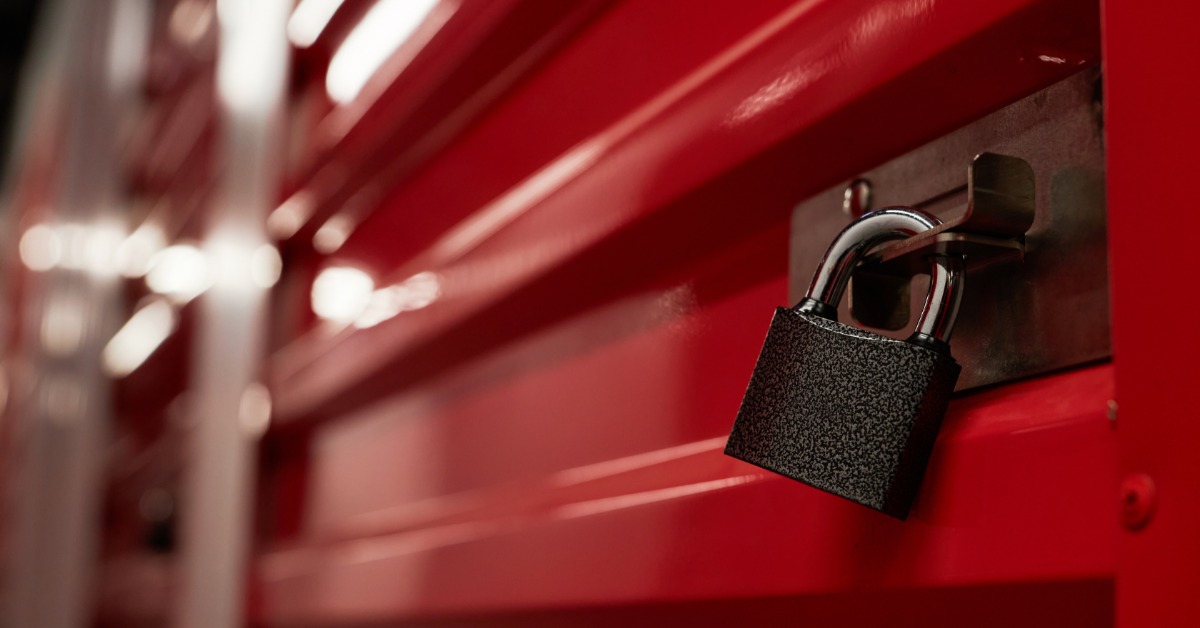
Duplicating a standard key takes only minutes at any hardware store, with no authorization required. This creates real exposure when employees leave a company, contractors finish a job, or keys go missing. High-security locks address this problem directly through patented, restricted keyways.
These designs prevent duplication at standard retail locations because manufacturers protect the keyway profile as proprietary and tightly control who can reproduce it. Only authorized dealers with proper credentials can produce copies, which gives facility managers direct control over who holds a key at every stage.
Control features in high-security systems typically include:
- Patented key profiles that are unavailable at retail hardware stores.
- Documented issuance records that create a clear accountability trail.
- Strict dealer authorization requirements for all duplication requests.
- Individual key serialization for easy tracking and identification.
- Compatibility with master key systems for layered access management.
With these safeguards in place, businesses can verify who holds a key at any given time and act quickly when access needs to change. This heightened control significantly reduces the risk of unauthorized entry and helps maintain a secure environment.
3. Exceptional Durability in Demanding Industrial Environments
Industrial settings subject locking hardware to constant stress. Locks face moisture, extreme temperature swings, chemical vapors, UV exposure, and repeated physical impact on a daily basis. Standard locks corrode, seize, and fail under these conditions far sooner than most users anticipate. When a lock fails at a critical location, it creates an immediate security gap, leaving assets and personnel vulnerable.
High-security locks handle this challenge through purpose-built construction. Manufacturers use hardened steel shackles, boron-reinforced lock bodies, and corrosion-resistant coatings that extend service life in harsh conditions. Some models feature sealed internal mechanisms that block moisture intrusion and prevent debris from degrading internal components over time.
Selecting this type of hardware for demanding environments reduces the frequency of lock replacements and lowers the costs associated with them. It also prevents the security gaps that arise when worn or damaged hardware remains in service beyond its useful life. Durable, high-security protection keeps your facility secure without requiring constant upkeep or attention.
4. Organized Access Control Across an Entire Facility
Large industrial facilities manage access across dozens of separate points. Equipment rooms, loading docks, chemical storage areas, and server closets each require different levels of access for different employee levels. Relying on unrelated standard locks to manage this complexity creates confusion and leaves security gaps that are difficult to track.
High-security lock systems support structured master key hierarchies that give administrators complete control over who can access each area. A maintenance technician might access utility and mechanical areas, while a floor supervisor holds a key covering a broader range of spaces.
A site manager or security director can reach every area with a single master key. This tiered structure eliminates the burden of managing a disorganized collection of unrelated locks and gives security teams clear visibility into access permissions across the entire property.
When personnel changes occur, revoking or reassigning access becomes a straightforward process rather than a logistical challenge. Structured access control protects the facility and supports accountability at every level of the organization.
5. Lower Security Costs Over the Long Term
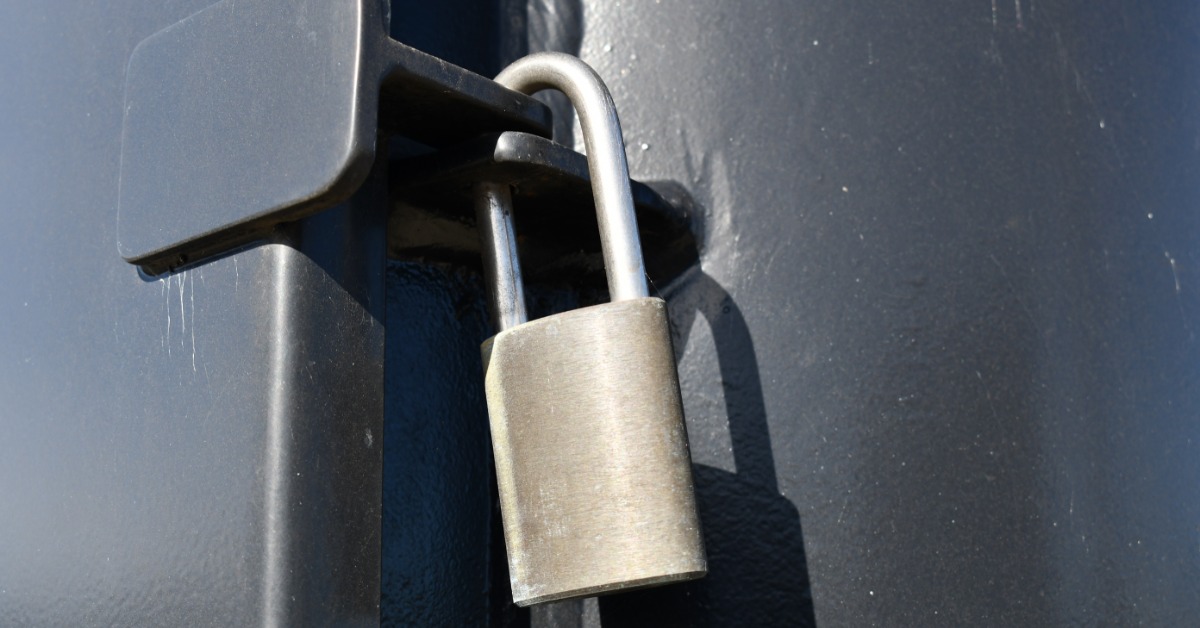
High-security locks cost more upfront than standard options, and that price tag gives some buyers pause. However, examining the full picture reveals that high-security hardware delivers better value over time. Standard locks require frequent replacement because they wear down faster and offer less resistance to damage and forced entry. Each replacement cycle involves the cost of new hardware along with the labor required to install it.
Beyond replacement costs, a single security breach can generate expenses that far exceed the total investment in better hardware. Stolen equipment and compromised inventory can create significant financial consequences for a business, and potential liability from unauthorized access adds another layer of risk. High-security locks reduce the likelihood of these events by providing reliable, long-lasting protection that withstands real-world conditions.
Facilities that choose quality hardware from the start spend less on maintenance and unplanned replacements. The investment proves its worth through consistent performance across years of demanding use. Additionally, fewer disruptions keep daily operations running smoothly and minimize costly downtime.
Invest in Protection That Performs
Strong security protects your people and your equipment while preserving the integrity of your operations. The five benefits of upgrading to high-security locks demonstrate that the right hardware delivers real, measurable value to any industrial or commercial facility.
Whether you need a dependable trailer padlock to secure fleet assets or a comprehensive master key system for a large property, H To O Supply carries trusted brands that meet the demands of serious environments. Browse our complete selection of high-security locking solutions, and equip your facility with the protection it requires.

Recent Comments