
Maxiflex Work Gloves Care Guide: Everything You Need To Know
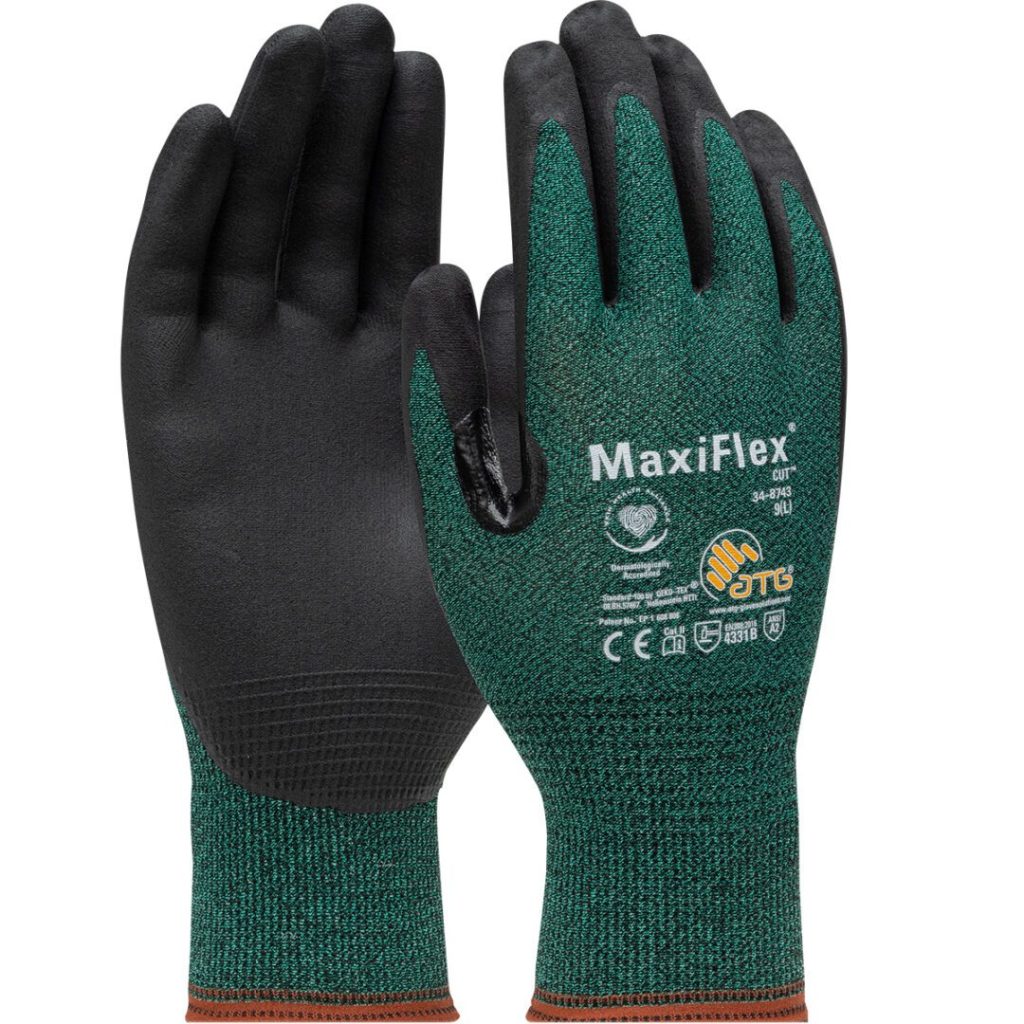
Our Maxiflex work gloves care guide starts with a simple truth most workers overlook: even the best gloves wear out fast when you ignore proper maintenance. PIP Maxiflex gloves have earned a strong reputation on job sites for their grip and breathability, but none of that matters if you treat them as disposable.
A consistent care routine is the difference between gloves that last a season and gloves that fail by week three. The steps are straightforward, and the payoff becomes clear right away in how well the gloves perform, shift after shift.
How to Wash and Dry Your Maxiflex Gloves the Right Way
PIP Maxiflex gloves feature a nylon or polyester shell with a nitrile-coated palm and are machine washable. A bit of care helps them stay clean and in good shape. If you skip washing altogether, sweat and grime can work their way in, breaking down the liner and coating from the inside out. By the time you spot visible wear, the gloves will have already lost much of their strength.
Machine vs. Hand Washing: Which Works Better?
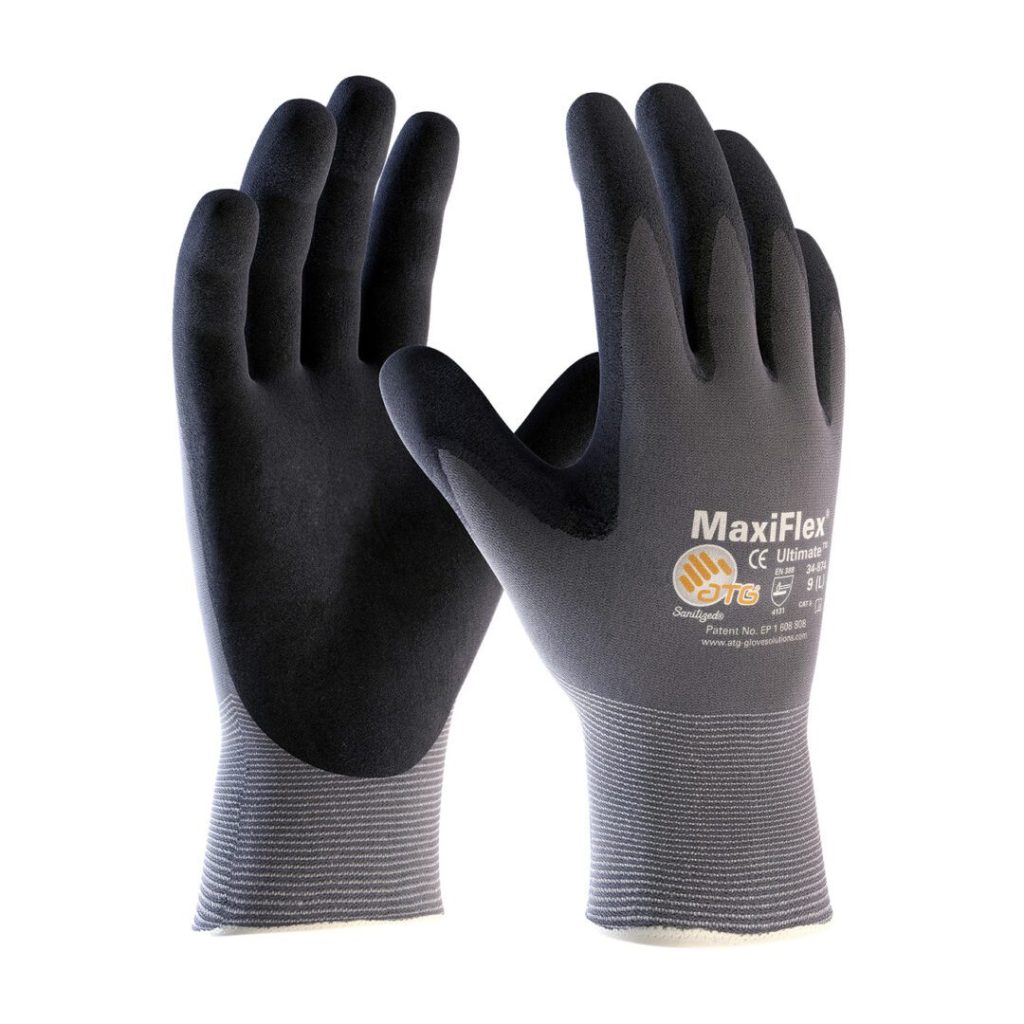
You can wash Maxiflex gloves by hand or in a machine, but hand washing gives you the most control and helps the gloves last longer. Fill a basin with cool or lukewarm water, add a little mild liquid detergent, and work it through the fabric. Focus on the palms, since that’s where most grime and chemicals build up. Be sure to rinse well, because leftover soap in the liner can irritate your skin during a long shift.
If you prefer to use a washing machine, turn the gloves inside out and place them in a mesh laundry bag to protect them from friction and snags. Choose a gentle cycle with cold water only. Hot water can break down the nitrile coating and shrink the shell, so always use cold water for the best results.
Drying Techniques That Preserve the Coating
Never put Maxiflex gloves in a dryer. The heat degrades the nitrile micro-foam or sandy nitrile coating that gives these gloves their grip advantage.
Instead, reshape each glove by hand after washing, then lay them flat or hang them in a well-ventilated area. Keep them out of direct sunlight while drying. Prolonged UV exposure causes the coating to harden and crack faster than normal wear would.
Air-drying typically takes a few hours, depending on humidity. The gloves are ready to wear when the coating feels firm and dry to the touch at the fingertips, which tends to hold moisture the longest. Putting them back on before they’re fully dry can trap moisture against your skin and cause the interior fabric to break down faster over time.
When and How to Store Your Maxiflex Gloves
A clean glove can still wear out quickly if it isn’t stored properly. Poor storage can weaken the material before the glove goes back on your hand. Having a consistent storage location and routine inspections helps catch problems before they lead to significant injuries.
Proper Storage Conditions
Store Maxiflex gloves in a cool, dry location away from heat sources and chemical containers. Avoid tossing them loose into a toolbox or work bag where sharp edges can puncture the coating. A dedicated glove rack or hook keeps them in shape and makes them easy to grab at the start of a shift.
Keep gloves away from ozone-generating equipment, such as electric motors and welding equipment, during storage. Ozone accelerates the degradation of rubber-based coatings, including nitrile, even without direct contact. It is one of the less obvious storage mistakes that quietly shortens the life of your work gloves. You won’t notice any obvious signs of damage until the coating begins to crack.
An Inspection Checklist Before Every Shift
Running a quick pre-shift inspection will help your team catch any problems before they affect the workday. Check each glove for the following before putting them on:
- Pinhole punctures or tears in the palm coating, especially at high-stress areas near the thumb and index finger
- Thinning or peeling nitrile at the fingertips
- Fraying or separation at the cuff
- Stiffness or cracking in the coating that reduces grip
- Persistent staining from chemicals that may have soaked through to the liner
- Any discoloration that suggests chemical saturation or UV damage
If you find any of these issues, pull the glove from service. A compromised glove offers a false sense of protection, which is more dangerous than wearing no glove at all in certain environments. When in doubt, replace the pair. The cost of a new set of gloves is always less than the cost of a preventable hand injury.
Maximizing Glove Life Through Correct Use and Rotation
How workers use their gloves each day significantly affects how long they last. Even the best maintenance routine will not make up for daily misuse. Most glove damage results from everyday habits that are easy to correct. Rotating pairs and choosing the right glove for the task help the liner dry properly and keep the coating from wearing out too soon.
Do not wear the same pair for every shift if you can avoid it. Sweat and skin oils from prolonged use can break down the liner and coating from the inside. Rotating between two pairs gives each pair time to fully dry between uses, reducing wear on the interior fabric and preventing odors from building up. Over time, that simple habit helps each pair last longer from shift to shift.
It’s also important to use Maxiflex gloves for the right kind of work. They’re best suited for light- to medium-duty tasks where grip and precision matter, such as assembly or handling detailed parts. Using them for high-abrasion work or jobs that require cut protection can wear them out quickly, leaving workers underprotected. Choose gloves based on the tasks at hand rather than using the same pair for every job.
How To Avoid Premature Fingertip Breakdown
Keep your fingernails trimmed before putting on gloves. Long nails press against the inside of the fingertips, creating stress points that can tear the liner and coating sooner.
It may seem like a minor detail, but it helps prevent damage to the fingertip, especially with thinner, high-dexterity Maxiflex models. These gloves are built for touch sensitivity, not heavy abrasion at the fingertips.
When the fingertips start to wear, but the palm and cuff are still in good shape, check whether the glove is still safe for that specific task. Minor fingertip wear may be acceptable for some light-duty work, but other jobs may require a fresh pair. Set a clear replacement standard for your team so that everyone follows the same rule, rather than making person-to-person judgment calls.
Take Care of Your Gloves, and They’ll Take Care of You
This Maxiflex work gloves care guide comes down to one consistent principle: treat these gloves as precision equipment rather than a throwaway consumable. Wash them properly, dry them at room temperature, and store them away from heat and ozone before every shift.
Before each use, check the gloves for wear and make sure the pair can handle the demands of your task. Rotating pairs regularly also gives the liner time to dry, which helps extend their durability and maintains reliable protection. H To O Supply carries the full Maxiflex lineup, including replacement and specialty gloves for a wide range of job site demands.

Recent Comments