
The 5 Most Common Work Glove Mistakes To Avoid
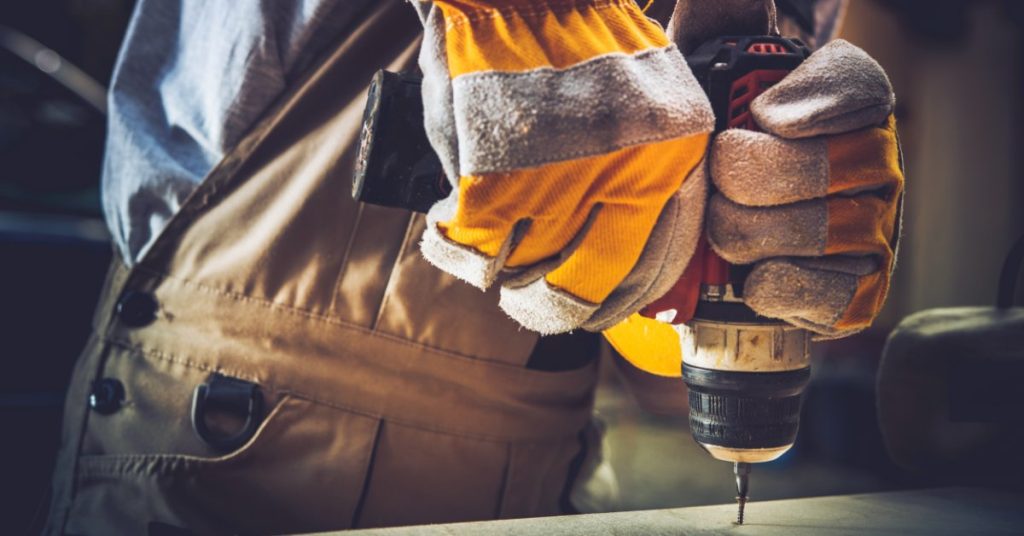
Every year, preventable injuries happen on the job because of one simple oversight: using the wrong gloves. The five most common work-glove mistakes to avoid are often the difference between a safe workday and a trip to the emergency room.
Whether you’re leading a crew on a busy site or managing PPE for your facility, choosing the right gloves is more crucial than most people realize. It all starts with knowing exactly where mistakes tend to happen and understanding how to avoid them.
1. Using the Wrong Gloves for the Particular Job/Hazard
It’s a common mistake to think any glove will do the job, but the truth is each hazard calls for a specific type of protection. For example, leather gloves are great against scrapes and rough surfaces, but they won’t protect you from harmful chemicals.
Latex might withstand light chemical splashes, but it can tear easily when working with sharp or rough materials. Nitrile, heat-resistant, and cut-resistant gloves are all designed for particular risks and tasks.
Before you pick out the gloves for your job site, take a close look at the hazards involved in the work. Is there a risk of cuts, chemical splashes, high temperatures, or electrical shock? Each of these situations requires gloves made from the right materials and with the right construction.
When you choose gloves based on habits or convenience, it’s easy to overlook these differences. That’s why a careful hazard assessment always pays off and helps prevent avoidable injuries.
2. Wearing the Wrong Size Gloves
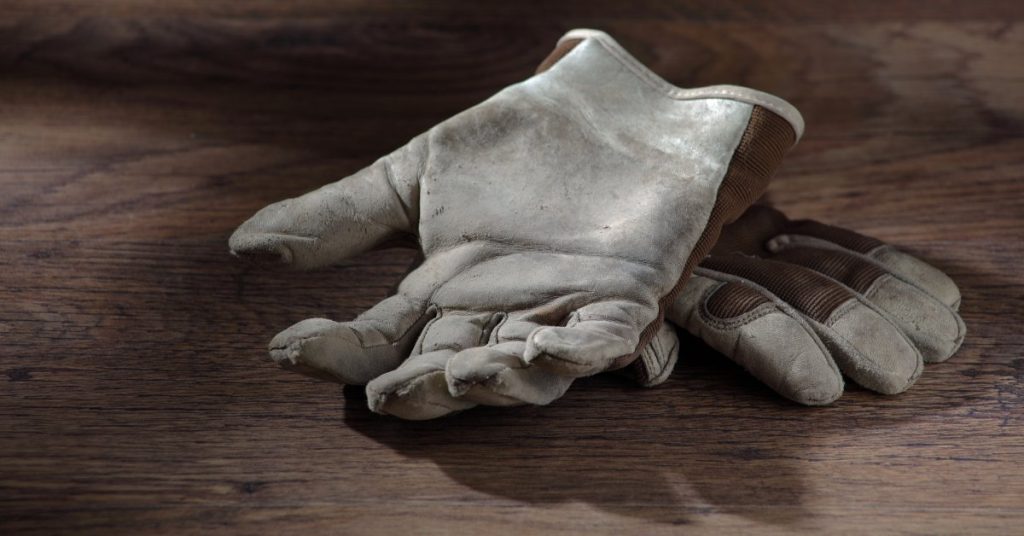
When your gloves don’t fit, problems can surface quickly. If a glove is too big, it’s hard to hold onto tools and materials, and you’ll have a greater chance of dropping heavy or dangerous items. When a glove is too tight, it cuts off circulation and tires the hand, leading to a loss of focus and an increased risk of mistakes.
A glove should fit the hand smoothly, without bunching up or pulling tight at the fingers. Glove sizes are based on the shape and size of your hand, and those details matter more than most people think. Someone with a smaller hand who picks a bigger glove, hoping for extra coverage, actually puts themselves at greater risk.
Extra material can get caught on equipment or move around at the wrong time. A glove that slips or bunches up can turn a routine task into a real hazard. Fit is a critical safety factor and should be treated with the same care as picking the right glove material.
3. Skipping the Pre-Use Inspection
Gloves wear out over time, but it’s not always easy to spot the signs of wear or damage. Taking a moment to inspect your gloves before each shift can help you catch small problems before they become serious dangers. If you skip this inspection, you’re betting your safety on a glove that might not protect you when it counts.
Here are the key areas to check before putting on a work glove:
- Seams and stitching: Look for unraveling threads or gaps where the glove has started to separate at the joints.
- Palm and fingertip wear: Check for thinning material, small holes, or worn-through patches in high-contact zones.
- Chemical staining or discoloration: Discoloration on a chemical-resistant glove often signals that a substance has already penetrated the material barrier.
- Cracks or stiffness: Leather and rubber gloves that have dried out no longer flex or seal as intended.
- Coating integrity: On coated gloves, look for peeling, flaking, or bubbling in the grip layer, which signals a breakdown in the protective surface.
A two-minute inspection at the start of each shift eliminates a large percentage of glove-related incidents. Build it into the daily routine and treat it the same way workers approach other PPE checks.
4. Replacing Gloves Too Late
Gloves aren’t built to last forever, but many people use them long after they should have been replaced. Just because a glove looks fine on the outside doesn’t mean it offers the protection you need. This is a particular problem with chemical-resistant gloves, since damage on the inside often appears before you see any wear on the surface.
How often you should replace work gloves depends on the type of glove and how hard they’re used each day. In busy, high-contact jobs, gloves can wear out faster than normal, so it makes sense to order replacements more often. If you’re ever unsure about a glove’s condition, don’t take any chances. Swap it out right away instead of pushing ahead.
Pay attention to how gloves are used on the job, looking at both the team and the specific tasks involved. Set up a clear replacement schedule based on the manufacturer’s recommendations and the real-world conditions in your facility. Waiting until a glove gives out before you replace it puts everyone at risk and often leads to injuries or costs that could have been avoided with a simple swap.
5. Overlooking Industry Standards and Certifications

There are countless options for work gloves, but not every pair is built to the same standards. If you buy hand protection gloves without checking their certifications, you might end up with gear that doesn’t protect you from the hazards you face each day.
Glove safety standards matter. In the United States, ANSI and ISEA certifications cover features such as cut resistance, puncture resistance, and chemical protection. Europe uses EN standards for the same purpose. A glove rated A4 or higher for cut protection has passed real-world tests and will hold up under tough conditions. The same logic applies to heat resistance and chemical permeation ratings.
When buying gloves for your team, look for products with clear certification standards. Ignore marketing buzzwords and focus on what’s proven. A glove labeled “heavy duty” might sound impressive, but a glove with an official ANSI cut rating tells you more about its performance capabilities. Always check for certifications, match them to your workplace hazards, and choose gloves that fit the job.
Build a Glove Program That Holds Up Under Pressure
The five most common work glove mistakes to avoid all share the same root cause: treating gloves as an afterthought rather than a critical layer of protection. At H To O Supply, we carry gloves from trusted brands built to meet the demands of industrial and specialty work environments. Browse our selection and find equipment that your team can count on when it matters most.

Recent Comments