Choosing the Right Head Protection: A Complete Guide
Head injuries remain one of the most serious hazards on construction sites, industrial facilities, utility projects, and manufacturing operations. Falling objects, overhead equipment, electrical hazards, and accidental impacts all create risks that demand proper protection. Choosing the right head protection helps reduce those risks while improving comfort, productivity, and compliance with workplace safety requirements.
Not every job calls for the same type of protective equipment. Materials, suspension systems, certifications, and environmental conditions all influence which option works best. Understanding these factors helps safety managers, contractors, and workers make informed purchasing decisions that prioritize long-term performance rather than simply selecting the lowest-cost option.
Why Head Protection Matters in Industrial Environments
A worker’s head remains vulnerable to multiple hazards throughout the workday. Even a relatively small falling object can cause serious injury if it strikes with enough force. Contact with fixed objects, swinging equipment, or energized electrical systems also creates significant risks.
Quality head protection helps absorb impact energy while reducing the likelihood of severe injuries. Beyond protecting individual workers, proper equipment also supports regulatory compliance, reduces downtime, and promotes a stronger safety culture across the jobsite.
Organizations that invest in durable protective equipment often benefit from longer product life, greater employee confidence, and lower replacement costs over time.
What Hazards Should Your Head Protection Address?
Different workplaces expose employees to different hazards. Before selecting protective equipment, evaluate the environment where workers spend their time.
Common workplace hazards include:
- Falling or flying objects
- Bumping into stationary equipment or structural components
- Electrical contact
- High-temperature environments
- Chemical exposure
- Outdoor work involving sunlight, rain, or extreme weather
A thorough hazard assessment helps determine which protective features deserve the highest priority.
Understanding Hard Hat Types
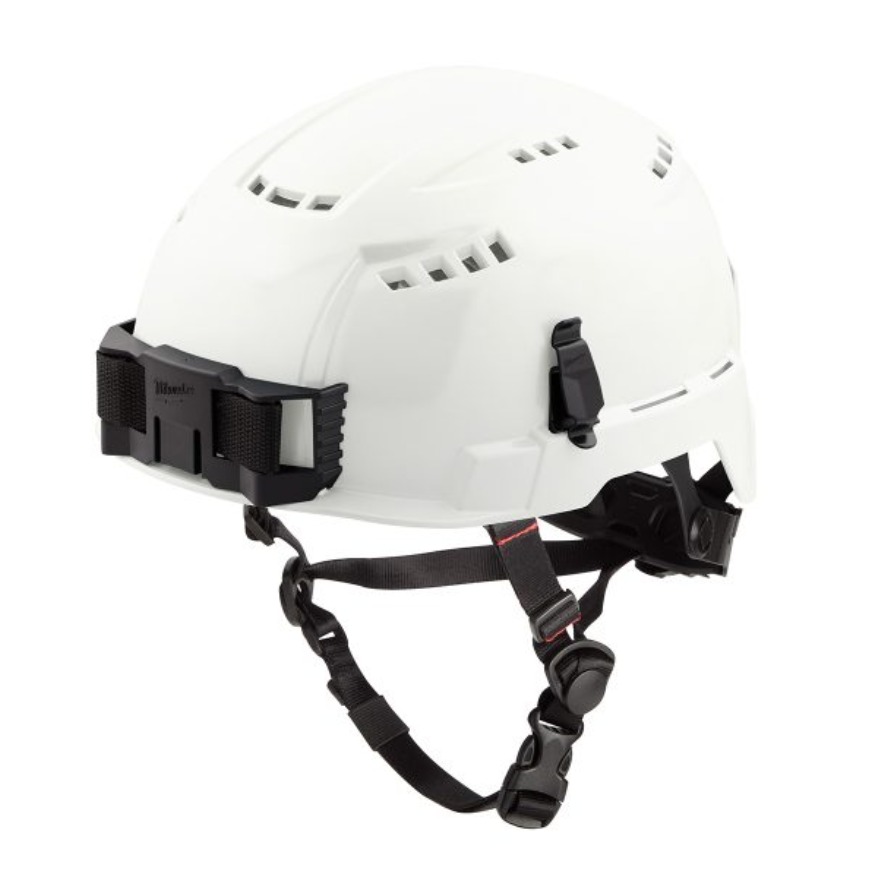
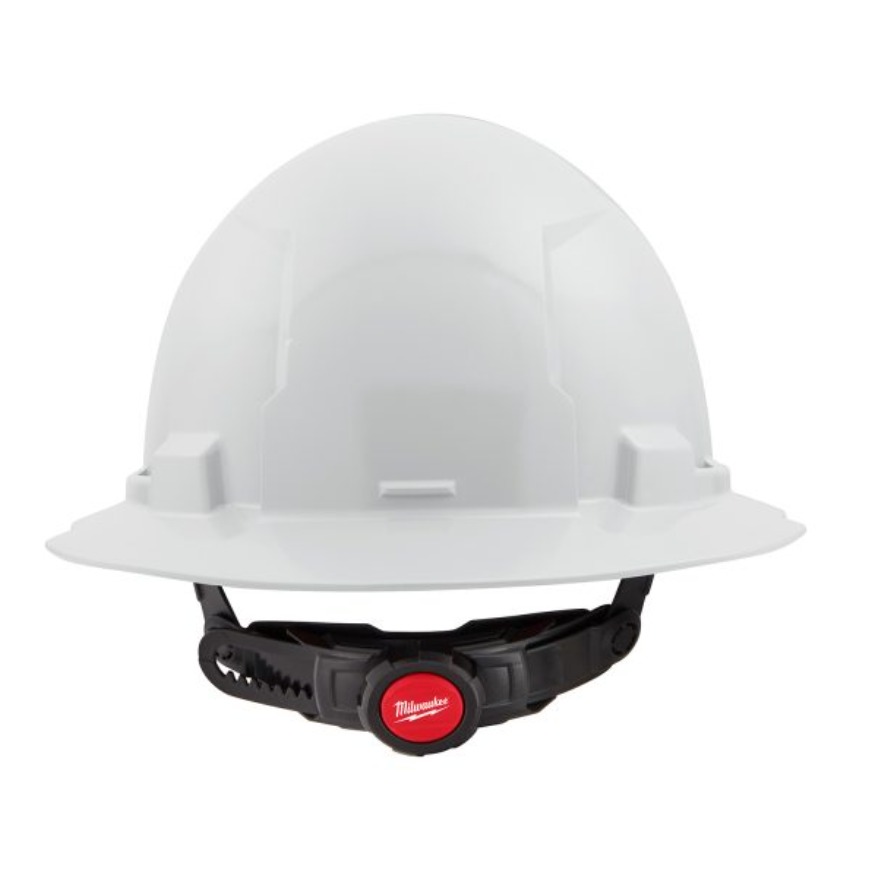
Protective headgear typically falls into two primary categories based on impact protection.
Type I Hard Hats
Type I models protect against impacts that strike the top of the head. These products work well in environments where overhead hazards present the greatest concern.
Many construction sites, warehouses, and utility operations continue to rely on Type I protection because falling objects remain the primary risk.
Type II Hard Hats
Type II designs provide protection from both top impacts and lateral impacts. Side impacts can occur when workers strike beams, machinery, or structural supports during movement.
Many industrial environments now favor Type II protection because workplaces often expose employees to hazards from multiple directions rather than only overhead.
Understanding Electrical Protection Classes
Impact protection represents only one part of selecting the proper equipment. Electrical protection also plays an important role for many industries.
Protective headgear generally falls into three electrical classifications.
Class G
Class G products provide limited electrical protection for general applications. They undergo testing for electrical resistance and commonly appear in construction and industrial environments.
Class E
Class E equipment offers the highest level of electrical protection among standard classifications. Electric utility workers, maintenance personnel, and others working around energized systems often require this higher level of protection.
Class C
Class C products focus primarily on comfort and ventilation rather than electrical insulation. Because these models do not provide electrical protection, they work best in environments where electrical hazards do not exist.
Selecting the appropriate class requires matching the equipment to actual workplace conditions rather than assuming one option fits every application.
How Suspension Systems Improve Protection
The shell attracts most of the attention, but the suspension system performs much of the work during an impact.
The suspension creates space between the shell and the wearer’s head. During an impact, it helps distribute and absorb energy instead of allowing the force to transfer directly to the skull.
Modern suspension systems also improve comfort by distributing weight more evenly throughout the workday.
Adjustable suspension designs allow workers to achieve a secure fit while accommodating different head sizes.
Why Proper Fit Is Essential
Even premium protective equipment cannot perform correctly if it does not fit properly.
A properly fitted hard hat should remain secure without excessive movement during normal activities. Workers should adjust the suspension so the equipment sits level on the head rather than tilting forward or backward.
An improper fit can reduce impact protection while increasing worker discomfort. Equipment that constantly shifts or slips often encourages employees to remove it, creating unnecessary safety risks.
Regular fit checks should become part of routine safety inspections.
Material Quality Makes a Difference
The materials used during manufacturing directly influence durability, weight, and long-term performance.
High-quality thermoplastics and engineered polymers resist impacts while maintaining structural integrity under demanding jobsite conditions. Many premium manufacturers also design their products to withstand ultraviolet exposure, temperature fluctuations, and repeated daily use.
Lower-quality materials may degrade more quickly after prolonged exposure to sunlight, chemicals, or harsh weather.
For organizations purchasing equipment in large quantities, investing in higher-quality materials often reduces replacement frequency while improving overall value.
When Should You Replace Head Protection?
Protective equipment does not last forever. Daily wear gradually affects both the shell and the suspension.
Replace equipment whenever you observe:
- Cracks or fractures
- Deep gouges
- Brittleness or discoloration from UV exposure
- Damaged suspension components
- Missing parts
- Evidence of significant impact
A hard hat involved in a major impact should never return to service, even if visible damage appears minimal. Internal structural damage may reduce future protection.
Manufacturers also publish recommended service life guidelines based on normal use. Following those recommendations helps maintain reliable protection throughout the equipment’s lifespan.
How Environmental Conditions Affect Performance
Jobsite conditions influence which products perform best.
Outdoor crews often require equipment that resists prolonged UV exposure while remaining comfortable in hot weather. Cold environments may require materials designed to maintain flexibility at lower temperatures.
Workers operating around chemicals should verify compatibility with substances commonly encountered during daily operations.
High-humidity environments also place greater demands on suspension materials and sweat management features.
Selecting products designed for specific working conditions improves both durability and worker acceptance.
Comfort Features Encourage Consistent Use
Comfort should never come at the expense of protection, but it plays a major role in whether employees consistently wear their equipment.
Modern head protection often includes features such as moisture-wicking sweatbands, adjustable ratchet suspensions, lightweight shell construction, and accessory compatibility.
Many models also accommodate face shields, hearing protection, and lighting systems without compromising stability.
Comfort improvements encourage workers to keep protective equipment in place throughout their shift, increasing overall safety performance.
Why Safety Standards Matter
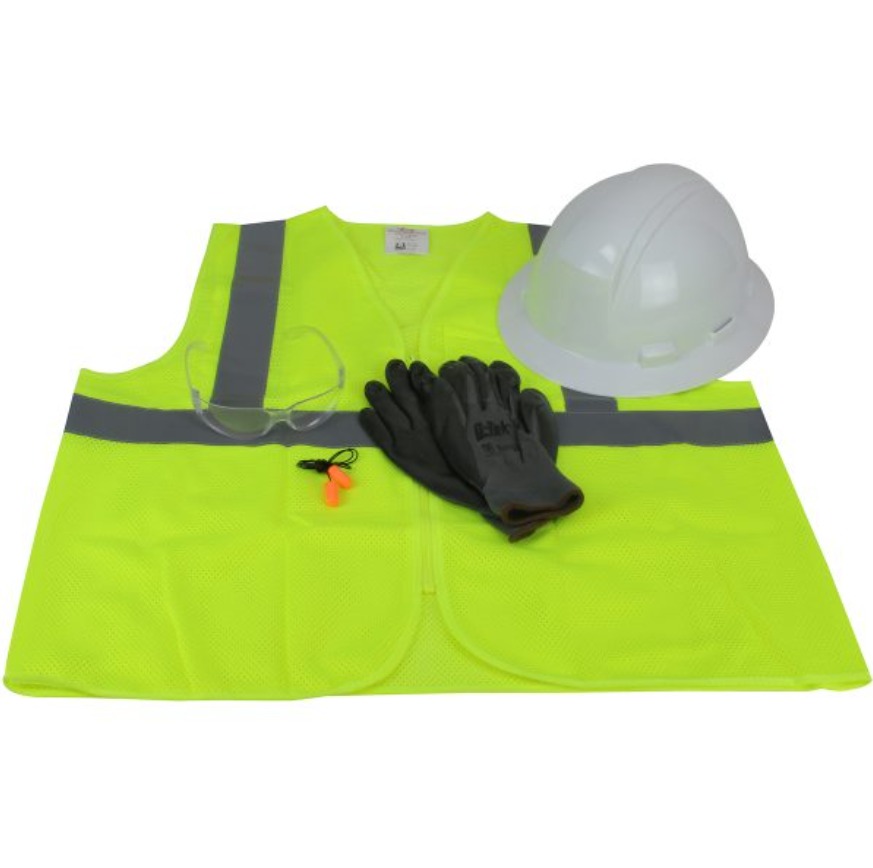
Industry standards establish minimum performance requirements for protective headgear.
Certified products undergo testing for impact resistance, penetration resistance, and, when applicable, electrical insulation. Purchasing products that meet recognized safety standards provides confidence that the equipment has demonstrated measurable performance under controlled testing conditions.
Safety managers should verify certifications before purchasing equipment rather than relying solely on appearance or marketing claims.
Choosing compliant products also supports workplace regulatory requirements and internal safety programs.
How to Choose the Best Option for Your Workplace
Selecting the right equipment begins with understanding workplace hazards rather than focusing exclusively on price.
Start by evaluating impact risks, electrical hazards, environmental conditions, and compatibility with other personal protective equipment. Consider the durability of materials, the quality of the suspension system, and long-term comfort for workers who wear protective equipment throughout the day.
For many industrial buyers, safety hard hats from trusted manufacturers provide greater long-term value because they combine reliable construction, proven testing, and durable materials that withstand demanding working environments.
Purchasing from reputable distributors also helps ensure access to certified products, replacement components, and knowledgeable support when evaluating different options.
Final Thoughts
Choosing the right head protection involves much more than selecting a helmet that fits. Workplace hazards, electrical exposure, material quality, suspension design, environmental conditions, and safety certifications all influence overall performance.
Organizations that prioritize education alongside product quality make better purchasing decisions and create safer workplaces. By carefully matching protective equipment to real-world jobsite conditions, contractors, industrial professionals, and safety managers can improve worker protection while maximizing the service life of their equipment.
For companies committed to safety, investing in durable, certified head protection remains one of the most effective ways to reduce workplace risk and support long-term operational success.

Recent Comments