Why Workplace Safety Is More Than Just PPE
Hard hats and safety glasses are essential for worker protection, but they address only a portion of the overall safety picture. Workplace safety is more than just PPE; it encompasses the routines and systems established well before anyone dons a vest.
Elements such as effective lighting and robust security measures influence how safely a crew can operate. If managers overlook these factors, injuries and losses can occur, even if their crew members follow proper PPE protocols.
Thinking Beyond Personal Protective Equipment
Personal protective equipment (PPE) helps prevent injuries when workers are exposed to hazards. However, PPE can only respond to hazards, not eliminate them. A strong safety program focuses on recognizing and correcting the conditions that create risks, allowing you to address potential issues before they cause harm.
For example, a worksite with poor visibility or easy access to hazardous areas presents risks that PPE alone cannot solve. To reduce accidents, companies need to examine the entire workplace environment, not just the protective gear employees wear. This examination includes reviewing lighting quality and determining who can access certain areas of the jobsite.
Protecting Your Jobsite Environment
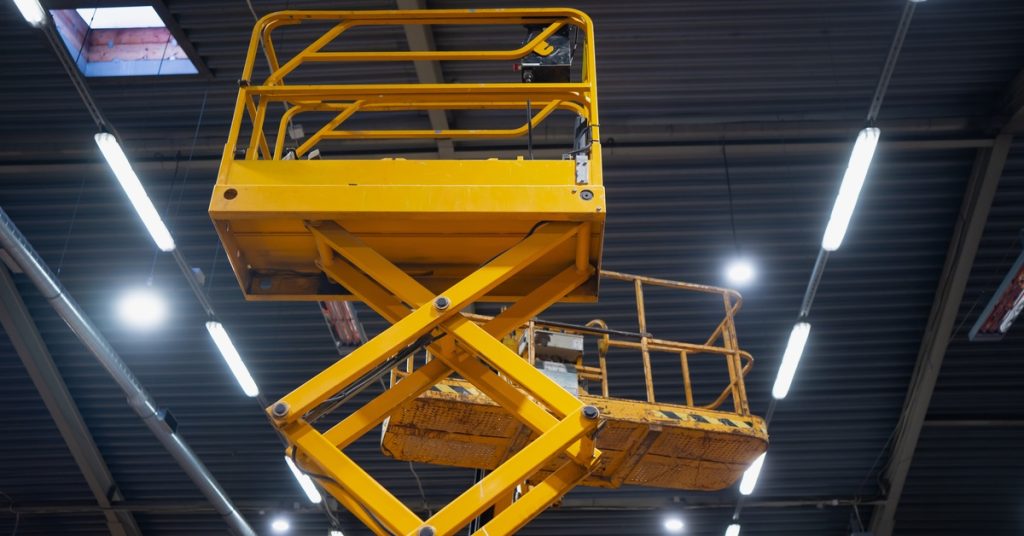
A safe jobsite depends on more than personal protective equipment. It also depends on the condition of the spaces workers use every day. When the environment is clean and secure, crews can focus on the work instead of working around preventable hazards.
Proper Jobsite Lighting
Poor lighting creates more safety issues than many teams realize. Workers can trip over debris or overlook hazards such as exposed wiring and wet surfaces. Low visibility also makes detailed work harder, which can slow productivity and increase fatigue over the course of a shift.
Every jobsite should have lighting that complements the work your team performs. Indoor spaces need bright, even overhead lighting that reduces shadows around machinery and active work zones. Outdoor sites and nighttime projects need reliable portable or mounted lighting near walkways, entry points, loading areas, and anywhere crews handle equipment or materials.
Remember to periodically conduct lighting checks to ensure maximum safety. Burnt-out bulbs, damaged cords, dirty lenses, and shifted fixtures can reduce visibility and may not be apparent from a distance. A quick inspection before work begins helps crews catch those issues early and keeps the site easier to navigate.
A safe workplace should have the following lighting features in place:
- Task lighting positioned directly over hands-on work areas
- Perimeter lighting along walkways, stairs, and equipment zones
- Emergency lighting that activates during power outages
- Portable lighting for temporary or mobile work areas
Security Locks on Equipment
Unsecured tools and machinery can create serious safety issues, even when theft isn’t a concern. A locked grinder or power tool is far less likely to start unexpectedly or end up in the hands of someone who lacks the proper training to use it. That added control helps reduce avoidable injuries and keeps the site running more responsibly.
Standard padlocks may work for basic storage, but jobsites often need something tougher. Padlocks rated for outdoor use can better handle weather exposure and dirt and resist tampering.
Many crews also rely on lockout/tagout systems for equipment that requires extra caution. Before anyone can operate the machine, they must remove the lock and confirm that the equipment can run safely. That simple pause can prevent rushed decisions and costly mistakes.
Controlling Who Has Access
After improving your lighting and security locks, access control becomes the next safety concern. Crews need to know who enters the site and what they access while on the job. Strong access control can reduce theft and keep untrained visitors away from high-risk areas.
Controlled-Access Systems
Controlled-access systems help keep entry limited to authorized personnel. Gate codes and keypad entries make it harder for unqualified workers or outside visitors to reach dangerous equipment or stored materials. These systems create a record of who entered the site and when, which can help during safety audits and incident reviews.
Smaller sites may only need a keypad at the main entrance. Larger operations often benefit from several access points with different permission levels. For example, a warehouse may allow general staff on the main floor while limiting access to chemical storage to trained employees. This approach helps keep higher-risk areas reserved for the people who understand the hazards involved.
Using the Right Accessories for Your Tools
Tools work best when crews pair them with the proper accessories. The wrong drill bit can strip fasteners and slow the job down. The wrong grinder guard can leave workers exposed to sparks or flying debris. When accessories don’t fit the tool or the application, workers may start improvising, which can quickly turn into a safety issue.
Working with a trusted industrial tool supplier helps crews find accessories that match their equipment and jobsite demands. Brands like Knipex, Hultafors, and Stafila design tools and accessories with proper fit and performance in mind. Replacing worn or mismatched accessories on a regular schedule also helps prevent equipment strain and keeps small problems from becoming larger safety risks.
Building a Complete Safety Culture
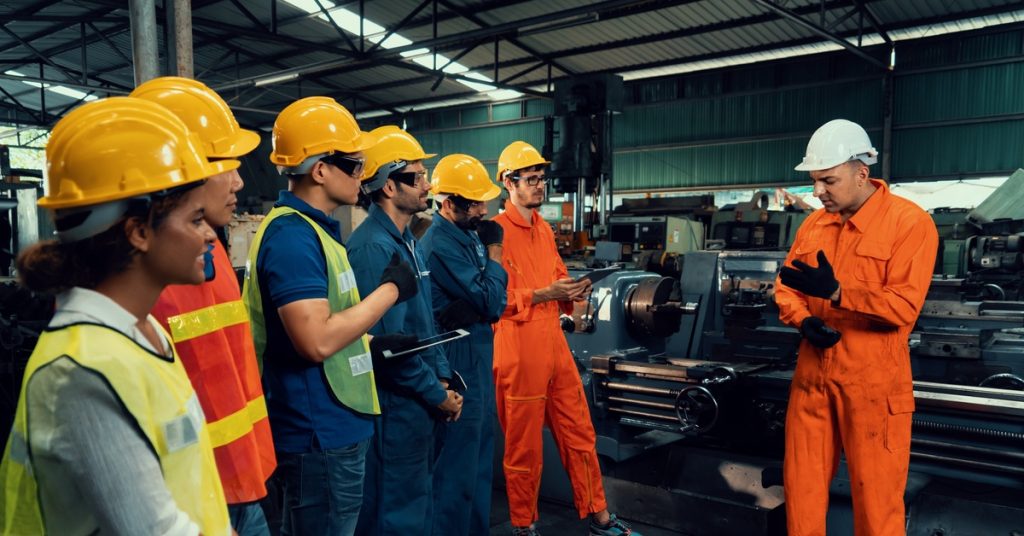
Workplace safety works best as a layered system. PPE handles the moment of contact between a worker and a hazard, but lighting, locks, access control, and proper accessories address the conditions that create hazards in the first place. Companies that invest in all these areas see fewer accidents and inspire trust in the crew.
Training plays a role here, too. Workers need to understand how to wear their gear and how to spot a burnt-out light fixture or flag a tool paired with the wrong accessory. A well-trained crew serves as an extra layer of protection, catching problems before they turn into incidents.
Designing a Site That Protects Itself
Why workplace safety is more than just PPE becomes clear when you examine the fuller picture. A safer jobsite depends on more than what workers wear. It also depends on the conditions around them and the systems that guide how people use the space.
Reliable lighting helps crews spot hazards before they become incidents. Locks and controlled-access systems keep tools and machinery in the right hands. Proper accessories help equipment perform as intended, which reduces the need for risky workarounds.
PPE still matters, but it works best as part of a larger safety strategy. When companies address these factors together, they create a jobsite that supports safer decisions from the start of each shift.
Ready to build a safer jobsite from the ground up? H To O Supply carries the lighting, locks, access solutions, and tool accessories your crew needs from trusted brands like Pip, Paclock, Hultafors, Knipex, and Stafila. Browse our full catalog today and equip your team with gear built to perform.

Recent Comments